
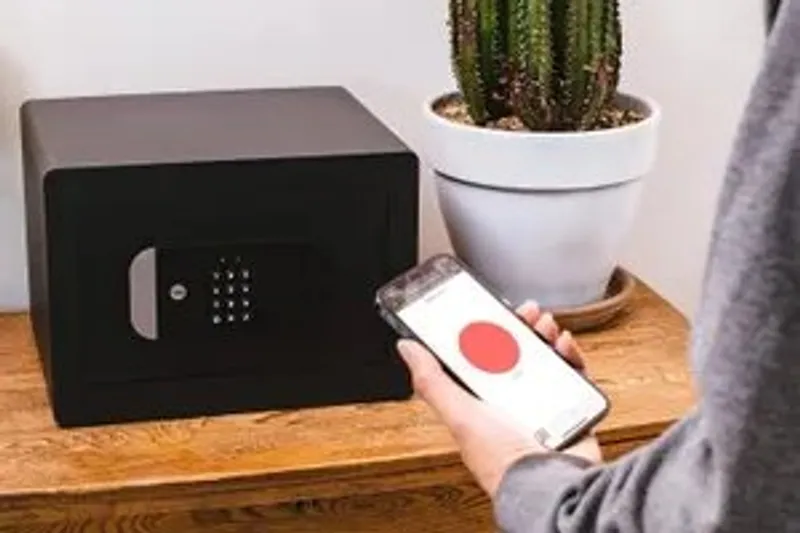
TLDR: CNET spotlights smart home safes with tamper lockouts, notifications, and biometrics, but no single model covers every need. Yale leads for app and voice control at $250, Lockly wins compact protection at $360, and SentrySafe targets fire and flood resistance at $287.
Key Takeaways:
- Smart safes now blend anti saw bolts with app monitoring, fingerprint scanners, and account access logs, plus legacy protection like fireproof linings.
- Top picks include Yale Smart Safe with Wi Fi for $250, Lockly Smart Safe for $360, and SentrySafe Digital Safe Box SFW123GDC for $287.
- Your best match depends on priorities: theft resistance plus tamper alerts, biometric access like Verifi TouchChip, or heavy duty fire and waterproof ratings.

Tamper alerts and fingerprint scanners feel futuristic, but the real flex is still boring: resisting saws and staying put. Pick the safe that matches your biggest risk, not your favorite gadget.
Tamper alerts and fingerprint scanners feel futuristic, but the real flex is still boring: resisting saws and staying put. Pick the safe that matches your biggest risk, not your favorite gadget.
Q&A
If smart safes can lock down after tampering, what should owners do immediately when they get an alert?
Treat it like a break in attempt: verify who last accessed the safe in the app, check for physical damage around the hinges and keypad, and change safe credentials if any accounts look compromised.
Why do some high tech safes still lack fireproof or waterproof ratings?
Fireproofing and waterproofing add bulk, insulation materials, and sealing methods that can conflict with sensors, scanners, and compact housing, so some designs prioritize theft resistance and access control.
What’s the tradeoff between using Wi Fi controls and relying on Bluetooth or manual access?
Wi Fi improves remote notifications and account history, but Bluetooth or local only modes reduce exposure to network risk and make it harder for attackers to exploit cloud connectivity or weak passwords.
How does mounting change the odds compared with buying a heavier safe?
A heavier safe helps, but mounting limits a thief’s ability to carry it away for later cracking, which matters because opportunistic burglars often prefer moving the whole unit.
When choosing between fingerprint only and mixed access methods, what failure scenario should you plan for?
Plan for power loss, worn fingers, or scanner glitches by ensuring you have a backup method like keypad plus keys, or confirm the battery system and low power warnings meet your routine.


No comments yet. Be the first to share your thoughts!