
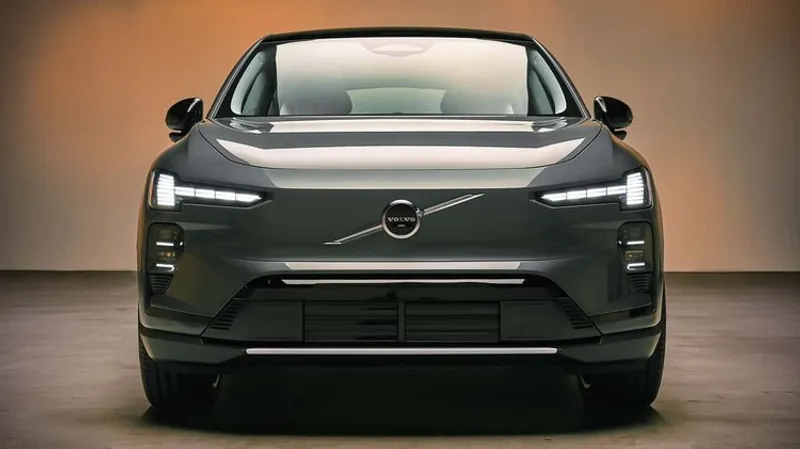
TLDR: WASHINGTON—Volvo received a special authorization from the U.S. Commerce Department to keep importing and selling connected cars using Chinese hardware and software. The rule targets connected vehicle software from China starting with the 2027 model year and hardware starting in 2030.
Key Takeaways:
- The Commerce Department rule, effective March 17, 2025, restricts certain Chinese and Russian connected vehicle software and hardware over security risks.
- Volvo, owned by Geely, secured authorization from the Office of Information and Communications Technology and Services to keep selling connected cars in the U.S.
- The exemption lets Volvo continue U.S. growth while other automakers face tighter future limits starting with 2027 software and 2030 hardware.

The U.S. draws a red line around connected car brains, then makes room for Volvo. For automakers, the lesson is blunt: compliance paperwork can matter as much as engineering.
The U.S. draws a red line around connected car brains, then makes room for Volvo. For automakers, the lesson is blunt: compliance paperwork can matter as much as engineering.
Q&A
What happens if Volvo later changes the Chinese hardware or software in a model the authorization covers?
Volvo would likely need to revisit authorization scope for covered systems, since the restriction keys off specific software and hardware inputs tied to China and Russia.
Why does the rule focus on certain connected features instead of banning all connected cars?
It targets software that enables automated driving and connectivity to satellite, cellular, and Wi Fi networks, because those capabilities raise distinct risks tied to remote control and data access.
How could this authorization affect other Geely linked brands or suppliers competing in the same U.S. market?
It signals that exemptions can exist, but it also raises the stakes for supplier documentation and system traceability, forcing competitors to plan for regulatory timing, not just product launch dates.
Could Volvo lose the ability to sell these cars if enforcement tightens or a challenge succeeds in court?
Yes, because authorization approvals can face policy shifts or legal review; automakers may need fallback strategies for later model years as the 2027 and 2030 thresholds approach.
What longer term strategy might companies adopt to keep U.S. sales flowing under such rules?
They may diversify software stacks and hardware sourcing, add compliant alternatives for covered functions, and build earlier regulatory timelines into vehicle programs.





No comments yet. Be the first to share your thoughts!