
Israel targets Hamas leadership as Gaza and Lebanon pressure rises
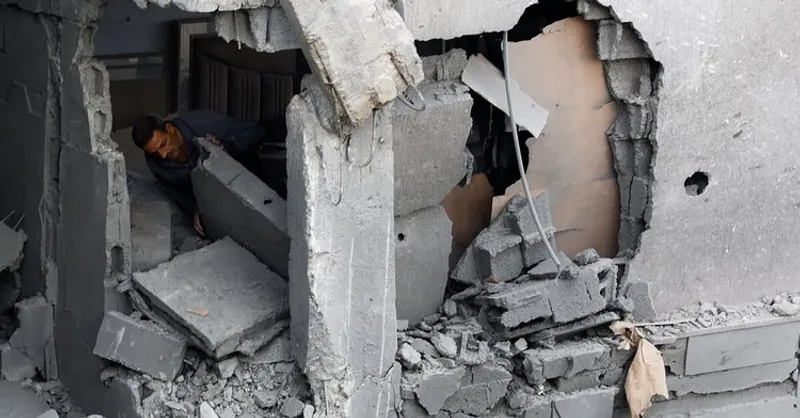
TLDR: JERUSALEM—Israel says it killed Mohammad Odeh, Hamas armed wing chief for Gaza, in an operation Tuesday. The death comes amid Gaza strikes and expanded Lebanon operations as ceasefire talks stall.
Key Takeaways:
- Israel and Hamas stay deadlocked on indirect ceasefire talks for Gaza, while Israel presses militarily across Gaza, the West Bank, and Lebanon.
- Israeli officials name Mohammad Odeh as Hamas military intelligence chief who replaced Izz al Din al Haddad after his May 15 killing.
- Odeh’s reported death tightens leadership pressure on Hamas but also keeps civilians in the blast zone as Gaza casualties continue to mount.

Israel is treating Hamas command reshuffles like a rolling scoreboard, then raising the stakes everywhere at once. For Gazans, the math is grim: leadership gaps do not stop apartment hits, and ceasefire talks still need a miracle.
Israel is treating Hamas command reshuffles like a rolling scoreboard, then raising the stakes everywhere at once. For Gazans, the math is grim: leadership gaps do not stop apartment hits, and ceasefire talks still need a miracle.
Q&A
Why does replacing a Hamas armed wing chief matter, even when Israel keeps reporting new targets?
Leadership turnover can disrupt decision cycles and operational coordination, but Hamas can respond through deputies and succession plans, keeping pressure on Israel without guaranteeing quick collapse.
What happens to ceasefire talks if Israel continues naming and striking senior Hamas figures during negotiations?
Negotiators face a widening trust gap because each reported killing changes internal incentives, hardens bargaining positions, and raises the risk of retaliatory attacks that derail the timetable.
How could the Lebanon front shape Israel’s Gaza strategy right now?
Escalation with Hezbollah can force resource tradeoffs and shift timing, but it can also create parallel pressure that Hamas must absorb across multiple theaters.
Why might Hamas avoid confirming appointments publicly during a period of targeted killings?
Keeping command changes discreet reduces intelligence value for Israel, limits adversary targeting accuracy, and prevents internal factions from rallying around a single identifiable figure.
What does Israel mean by “voluntary migration,” and why does that language matter for international scrutiny?
The phrase is a political and legal framing designed to distinguish the proposal from forced displacement claims, which can shape how mediators, courts, and governments assess Israel’s actions under international law.




No comments yet. Be the first to share your thoughts!