
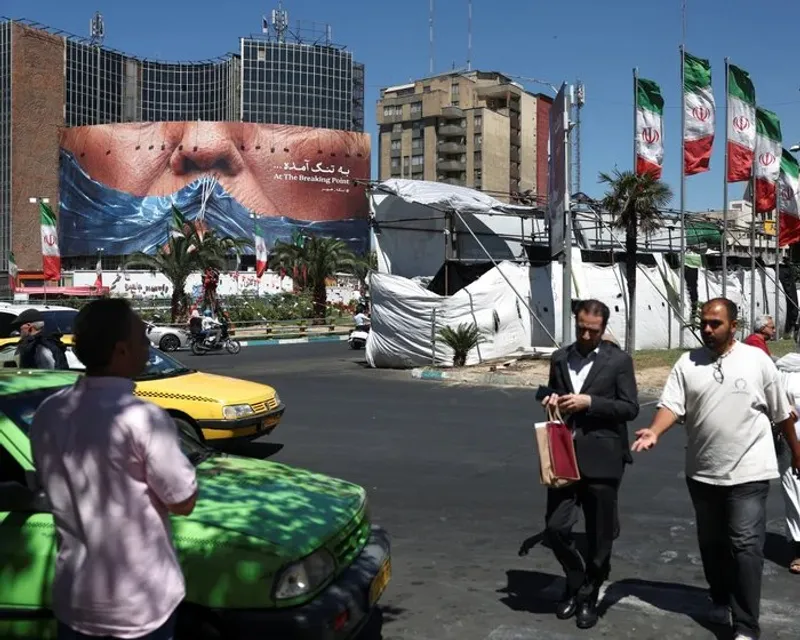
TLDR: TEHRAN—Iran condemned US bombings targeting missile launchers and suspected mine laying in the Strait of Hormuz as bad faith, calling it a ceasefire violation, yet kept peace talks running with Pakistan and Qatar mediation.
Key Takeaways:
- Iran and the US are in sensitive peace talks, jointly mediated by Pakistan and Qatar, as the negotiations near a decisive stage.
- Tehran called the US strikes a definitive violation and said it would not leave aggression unanswered, while still continuing negotiations and not announcing specific reprisals.
- Keeping talks alive after Hormuz focused attacks signals Iran wants leverage without escalation, but uncertainty remains if either side tests the ceasefire again.
- The dispute centers on Strait of Hormuz security, including missile launchers and alleged fresh mines, which raises the risk for shipping and regional stability.

Tehran is proving it can sound furious without slamming the door. In a ceasefire contest, timing is leverage, and Hormuz is the pressure point everybody watches.
Tehran is proving it can sound furious without slamming the door. In a ceasefire contest, timing is leverage, and Hormuz is the pressure point everybody watches.
Q&A
Why would Iran stay in talks after calling the strikes a ceasefire violation?
By continuing, Iran keeps diplomatic leverage and avoids handing the US a clean narrative that talks collapsed because of Iranian actions, while leaving room to calibrate any response.
What does mine related language around the Strait of Hormuz change strategically?
Mines are hard to verify and easy to fear, so they raise the stakes for shipping and naval forces even when no formal escalation follows.
How could Pakistan and Qatar mediation be affected by US strike timing?
Mediators typically gain leverage when both sides need a face saving exit; strike timing can either reinforce urgency or complicate trust if it appears coordinated to pressure talks.
What would count as a meaningful Iranian response without triggering immediate collapse of negotiations?
Tehran could signal deterrence through restrained actions like limited operational moves or legal diplomatic steps, aiming to show consequence without crossing a threshold that forces the US to retaliate.
Historically, how have ceasefire disputes impacted bargaining in Middle East security talks?
Ceasefire breaches often harden public positions, but negotiators frequently still trade concessions privately, using incidents as proof of urgency rather than as an automatic deal breaker.


No comments yet. Be the first to share your thoughts!