
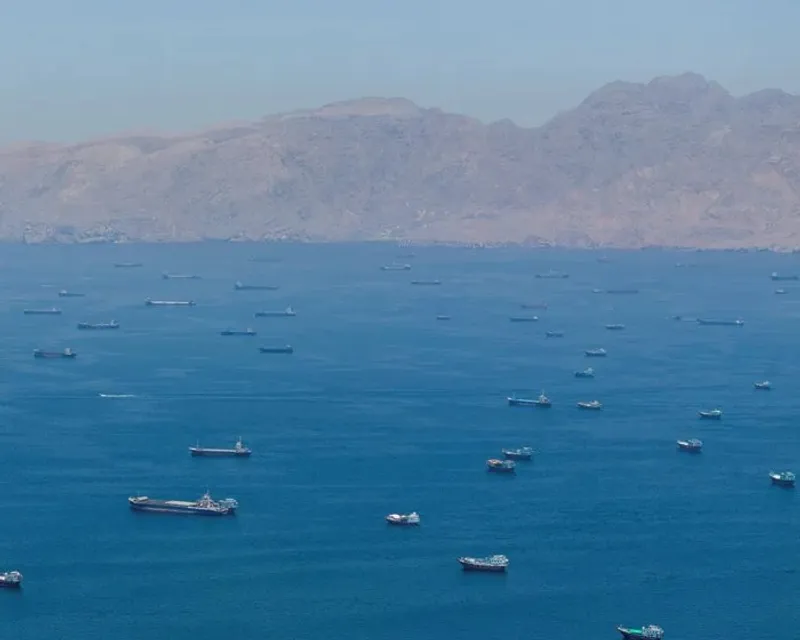
TLDR: QATAR—Iran’s foreign ministry said US overnight strikes broke the April ceasefire while Iran’s top negotiator and foreign minister met in Qatar to discuss a framework to end the war. The strikes test whether talks can survive rising military pressure, affecting Tehran and Washington and their Gulf partners.
Key Takeaways:
- Ceasefire agreed in April is meant to pause fighting in the three month US Iran war as both sides explore a framework.
- Iran’s foreign ministry accused the US of breaking the ceasefire with overnight strikes while Iran negotiators met in Qatar with the prime minister.
- If strikes continue, peace talks in Qatar face credibility damage and could widen pressure on Gulf states hosting or protecting US forces.
- Mojtaba Khamenei warned on Telegram that Gulf powers will not shield US bases and the US will not have a safe haven in the region.

The ceasefire was supposed to buy breathing room. Instead, Iran got “talks in Qatar” while Washington got to test the fuse overnight, and everyone in the region is doing math.
The ceasefire was supposed to buy breathing room. Instead, Iran got “talks in Qatar” while Washington got to test the fuse overnight, and everyone in the region is doing math.
Q&A
If Iran and the US keep talking after strikes, what new signals will matter more than the ceasefire language?
Watch for verifiable pauses in attacks, specific enforcement steps tied to any framework, and whether both sides publicly align on what counts as a breach.
Why does a ceasefire breach risk widening conflict even when only limited strikes happen?
Each side treats the other response as proof of intent, so retaliation dynamics can accelerate faster than diplomacy can reframe motives.
How might Qatar’s role change if negotiations continue alongside overnight attacks?
Qatar may shift from host to mediator under tighter scrutiny, trying to separate talks logistics from security escalation narratives.
What does Khamenei’s message about Gulf states imply about Iran’s future strategy?
It signals Iran may pressure not only US forces but also the regional governments perceived as enabling them, potentially raising political friction in Gulf capitals.
What historical pattern does this resemble in other ceasefire attempts involving competing narratives?
Ceasefires often survive only when both sides can claim face saving compliance, so credibility depends on shared definitions and punishments for violations.


No comments yet. Be the first to share your thoughts!