
TLDR: NEW DELHI—Trump will meet US negotiators to review Iran’s ceasefire proposal and decide by Sunday whether to strike again, with Steve Witkoff, Jared Kushner and JD Vance involved. The move comes as Iran rejects compromise on national rights and mediators work to extend the truce and reopen the Strait of Hormuz.
Key Takeaways:
- Ceasefire since early April has paused US Iran fighting while talks stalled over Hormuz access and Iran nuclear and missile issues.
- Trump meets special envoy Steve Witkoff and adviser Jared Kushner, with JD Vance, to decide by Sunday on renewed strikes.
- Iran signals no concessions on national rights and warns of a harsher response if war resumes, raising stakes for mediators and markets tied to Hormuz.

This is diplomacy under a deadline, with Trump treating a deal or a strike like a coin toss. The problem is Iran has already staked its red lines, so mediators are racing a timetable that ends Sunday.
This is diplomacy under a deadline, with Trump treating a deal or a strike like a coin toss. The problem is Iran has already staked its red lines, so mediators are racing a timetable that ends Sunday.
Q&A
What changes if Trump decides to delay strikes instead of canceling them?
A delay could extend talks long enough to harden frameworks on nuclear issues, but it also risks letting Iran further rebuild capabilities and stockpiles during the breathing room.
Why is the Strait of Hormuz reopening so central to both sides despite the focus on ceasefire?
Hormuz closure drives energy price pain and intensifies domestic pressure, so both Washington and Tehran have incentives to tie a truce extension to maritime stabilization.
If Iran insists on no compromise over national rights, what room is left for negotiation?
Negotiators can still bargain over sequencing, verification, temporary relief measures and off ramps, even if final terms on core rights remain off limits.
What does US reliance on depleted missile defenses imply for future decision making?
It increases the cost of renewed escalation because protecting bases and regional partners becomes harder, making a high risk strike more politically and operationally fraught.
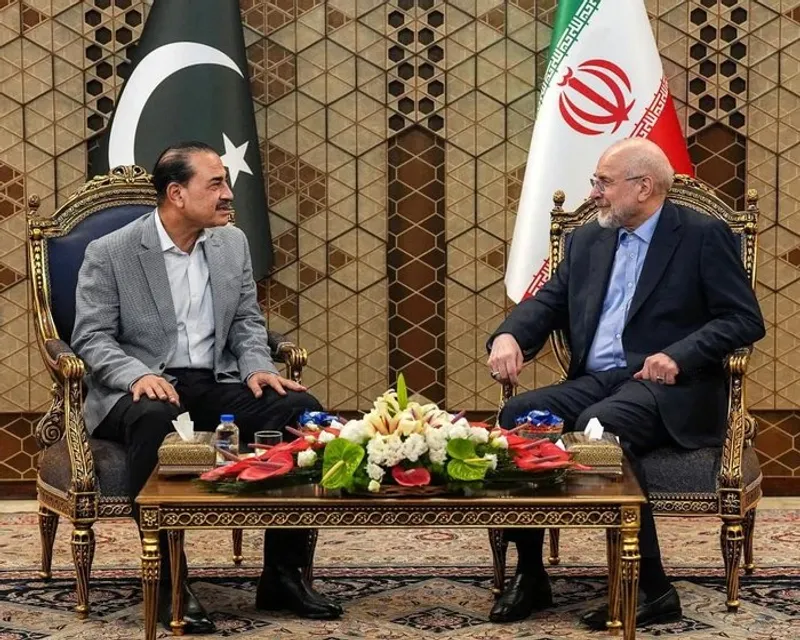
How could Pakistan and Qatar shape outcomes when Iran and the US talk past each other?
They can translate messages, propose phased steps and manage confidence building, but they cannot replace direct bargaining when each side publicly anchors its own bottom line.


No comments yet. Be the first to share your thoughts!