
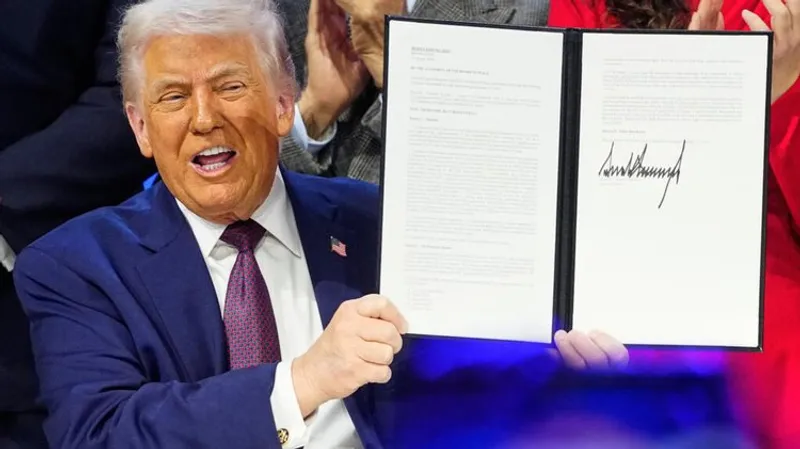
TLDR: DAVOS—AFP says Trump’s Board of Peace Gaza fund has received no donor money despite billions pledged, because the World Bank administered account waits for a later phase. Meanwhile, Israeli strikes kept killing at least 910 people after a US backed ceasefire, leaving civilians amid worsening access limits.
Key Takeaways:
- Trump created the Board of Peace to channel funds for Gaza after a US backed ceasefire; the World Bank and UN endorsed its Gaza fund.
- A source told AFP the fund has not received pledged cash because reconstruction and development has not started; Financial Times cited donations into a JPMorgan account.
- If the money sits outside the official fund or waits for a future phase, oversight and timing may frustrate both reconstruction goals and ceasefire incentives.

Big pledges, quiet ledgers. Even when Gaza needs cash most, the Board of Peace seems to be stuck in process while the fighting keeps moving faster than paperwork.
Big pledges, quiet ledgers. Even when Gaza needs cash most, the Board of Peace seems to be stuck in process while the fighting keeps moving faster than paperwork.
Q&A
What happens to donor trust if the official Gaza fund stays unfunded while payments appear elsewhere?
Donors may demand stricter reporting, delay future tranches, or reroute giving through UN or direct humanitarian channels to avoid reputational and audit risk.
Why would a reconstruction fund wait for a later phase when civilians face immediate needs?
Officials often separate humanitarian relief from rebuilding, but critics argue that “later phase” triggers can become a convenient pause that stretches political accountability.
Could the JPMorgan account setup trigger legal or governance scrutiny beyond transparency disputes?
Potential questions include whether donors funded a compliant reconstruction mechanism, who controls withdrawals, and whether UN endorsed governance applies to off ledger flows.
How might Israel’s control of Gaza entry and exit points affect the timing of any World Bank reconstruction programs?
Movement limits can slow contracting, materials delivery, and site access, making it harder to declare that reconstruction and development has begun.
If the Board of Peace fails to mobilize money quickly, what precedent could it follow in other US led peace initiatives?
US backed frameworks that struggled to deliver early financing often lose leverage, pushing states toward the UN system for legitimacy and implementation capacity.


No comments yet. Be the first to share your thoughts!