
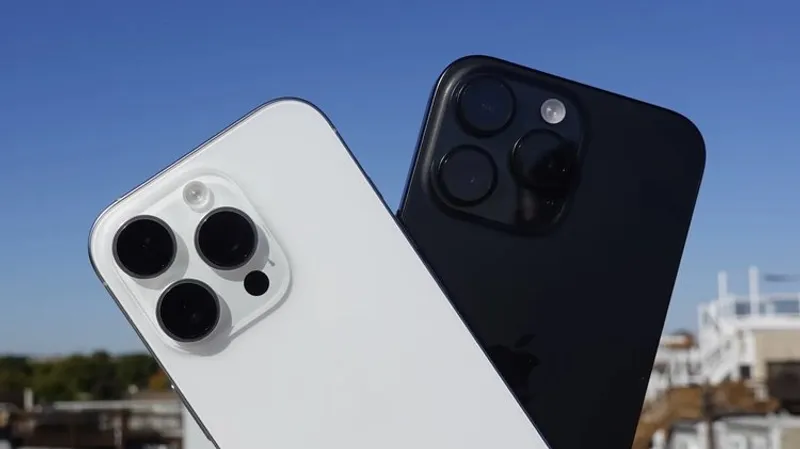
TLDR: CUPERTINO—Apple updated trade in estimates for iPhone, iPad, Apple Watch, Mac, and Android phones, raising top iPhone 16 Pro Max from $685 to $695. Affects device upgrade credits at Apple trade in.
Key Takeaways:
- Apple refreshed trade in pricing based on supply and demand, competitor pressure, and market conditions.
- Top iPhone 16 Pro Max trade in rose from $685 to $695, while iPad Pro jumped from $670 to $690.
- Watch and Mac pricing shifted unevenly, which can change the effective cost of upgrading and where buyers get maximum credit.

Apple is quietly turning upgrade arithmetic in its favor, nudging some devices up while letting others dip. For shoppers, the best deal may come from timing your trade in with the exact model Apple just repriced.
Apple is quietly turning upgrade arithmetic in its favor, nudging some devices up while letting others dip. For shoppers, the best deal may come from timing your trade in with the exact model Apple just repriced.
Q&A
Why does a higher trade in value not always mean a better overall upgrade deal?
If Apple simultaneously raised iPhone or iPad prices, or if retailers run competing promos on trade ins, the net discount can shrink even when trade in credits rise.
What happens to trade in values after a new iPhone or iPad is no longer in peak demand?
Credits often drift downward when inventory builds or demand softens, because Apple adjusts estimates to match supply and demand cycles.
How should buyers respond when Apple Watch trade in moves up and down by model?
They should compare Ultra 2 and Series 9 credits against the exact upgrade they want, since the most attractive credit may not align with the newest wearable.
Why did the Mac top offer drop while some laptop and desktop credits rose?
Trade in pricing can reflect separate resale markets for each configuration, so Apple may price scarcity and resale velocity differently by model and spec.
Could Apple’s Android trade in drop signal tougher competition in that resale segment?
A lower top estimate can indicate stronger availability in the resale pipeline or more competitive buyback expectations, pushing Apple to recalibrate its margins.





No comments yet. Be the first to share your thoughts!