
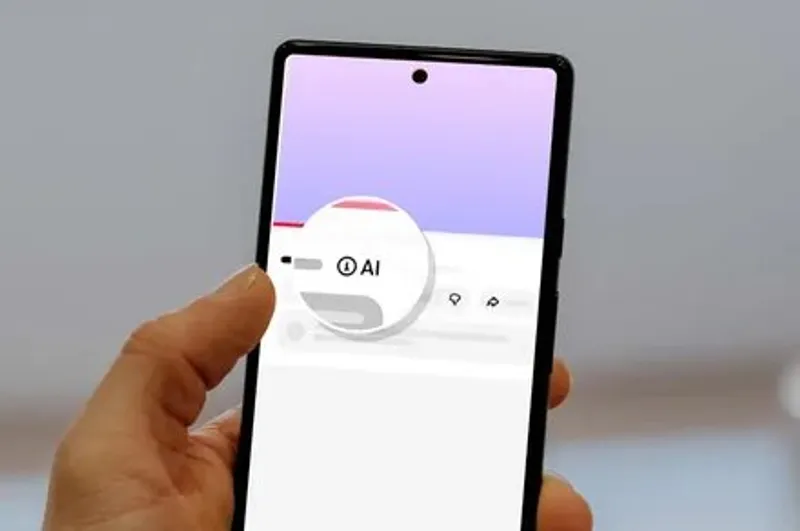
TLDR: LONDON—YouTube updates AI disclosure labels for long videos and Shorts, and adds automatic detection when creators forget.
Key Takeaways:
- Google Omni and faster video tools are flooding YouTube with photoreal AI output, prompting stricter disclosure visibility.
- AI labels now sit below long form players, appear as Shorts overlays, and can trigger automatically if disclosure is missing.
- Monetization and recommendations stay the same, but viewers get clearer context before watching and creators gain a correction path.

This is YouTube admitting the old disclosure spot was doing the digital equivalent of whispering in another room. Now the label shows up where your eyes land first, even if creators miss the memo.
This is YouTube admitting the old disclosure spot was doing the digital equivalent of whispering in another room. Now the label shows up where your eyes land first, even if creators miss the memo.
Q&A
How might automatic AI detection change the editing choices creators make for plausibly real videos?
Creators may avoid heavy photoreal changes unless they disclose intentionally, because systems can label without them.
Why does YouTube keep monetization and recommendations untouched while tightening labeling?
It treats AI disclosure as an information layer for trust, not a content quality filter, so the platform can scale without throttling creators.
What will viewers likely do differently now that the label appears before playback?
They can decide expectations sooner, which may reduce shock moments and increase satisfaction with content that sets the right context.
How does the label placement differ for animated or lightly edited videos, and why does that matter?
Animated or minimally touched work keeps disclosure in expanded descriptions, signaling YouTube is prioritizing prominence for the most realistic AI.
What happens if YouTube’s detection system flags edge cases, and how does creator correction help?
Creators can adjust labels in YouTube Studio, which helps minimize lasting mislabels, but it shifts some burden onto creators.
Top in AI

Nvidia Rubin CPX stalls as Groq integration tightens supply math

YouTube boosts AI labels as detection automation ramps

ElevenLabs brings Stan Lee voice, likeness back via licensing pact
PostHog trains AI models using customer data

No comments yet. Be the first to share your thoughts!