
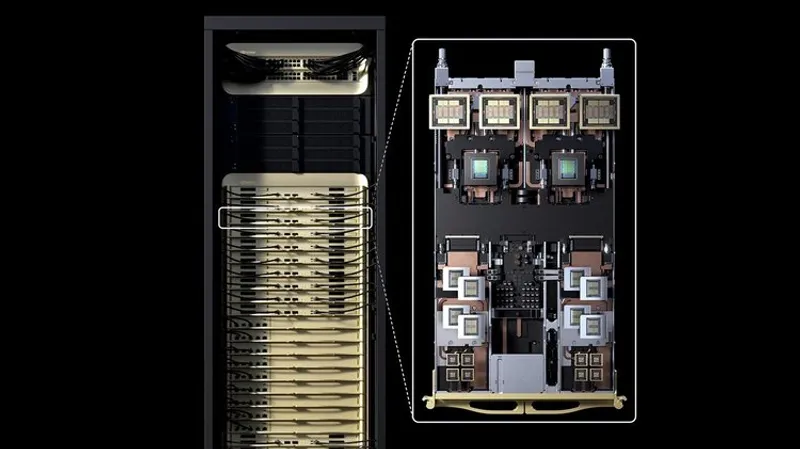
TLDR: SEOUL—Nvidia has likely stalled Rubin CPX AI inference GPU production, with missing PCB and GDDR7 orders cited, potentially easing GDDR7 driven RTX 50 price pressure.
Key Takeaways:
- Nvidia introduced Rubin CPX as its first inference focused GPU, using 128GB of GDDR7 on the PCB instead of package or HBM approaches.
- The Elec reports no meaningful PCB and DRAM module orders for CPX, and the industry view calls the project effectively cancelled or paused.
- If Groq LPU integration reduces GDDR7 demand, RTX 50 VRAM pricing may face less strain, though DRAM and SSD pressure remains.

PC gamers do not get to steer Nvidia roadmaps, but supply chains still do the steering. A stalled inference chip can cool one pressure point, even while the broader RAMpocalypse keeps marching.
PC gamers do not get to steer Nvidia roadmaps, but supply chains still do the steering. A stalled inference chip can cool one pressure point, even while the broader RAMpocalypse keeps marching.
Q&A
If Rubin CPX is paused, what happens to Nvidia’s inference roadmap and customer commitments built around it?
Nvidia can redirect inference customers toward existing Rubin and Blackwell inference capable paths or accelerate alternative inference components, but confirmed timelines would still matter to cloud buyers with fixed deployment schedules.
Why would missing PCB and GDDR7 orders be a stronger signal than marketing silence?
PCB and GDDR7 orders reflect manufacturing readiness and component allocation. When those do not appear, it usually points to a supply chain decision rather than just a delayed press cycle.
Could Groq’s SRAM heavy LPU design reduce GDDR7 usage without changing the end experience for gamers?
Gamers care about GPU pricing and availability. If Nvidia can cut or avoid GDDR7 bottlenecks for inference oriented workloads that influence overall component demand, RTX 50 cards could see less VRAM cost escalation.
What precedent exists for GPU production pauses helping consumer hardware pricing later?
Historically, component demand swings have shifted retail GPU pricing when high value memory or packaging constraints loosen. The likely mechanism here is less competition for GDDR7 supply, not a sudden memory abundance.
If the RAMpocalypse continues, how much relief can gamers realistically expect from easing GDDR7 pressure?
Relief would likely be partial and tied to specific SKUs and bundles. DRAM and SSD demand driven by AI workloads can still push system memory and storage costs even if GPU VRAM pricing stabilizes.





No comments yet. Be the first to share your thoughts!