
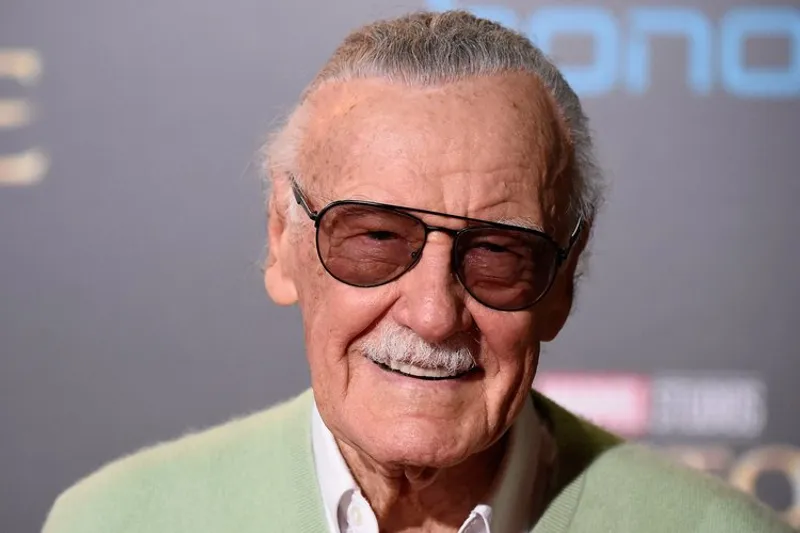
TLDR: ElevenLabs licensed Stan Lee Universe rights to add Stan Lee voice and likeness to its Iconic Marketplace, plus non commercial comic panel likeness templates and Eleven Reader narration.
Key Takeaways:
- Stan Lee Universe, backed by Genius Brands and POW Entertainment, has worked to keep Lee’s storytelling alive since Lee died in 2018.
- ElevenLabs trained Lee’s voice on professional recordings and lets users generate his likeness in comic panel inspired templates for non commercial use.
- Commercial licensing and creator style replication are accelerating, pushing consent and rights frameworks to keep up with AI made personas.
- The deal also powers Eleven Reader’s Stan Lee Book Club of the Month, launching with Treasure Island in June.

Legends already have staying power, but this deal turns that into a product pipeline. The interesting fight now is who controls the taps: creators, estates, or platforms.
Legends already have staying power, but this deal turns that into a product pipeline. The interesting fight now is who controls the taps: creators, estates, or platforms.
Q&A
What kinds of licensing terms could become the new battleground for AI celebrity voices?
Expect tighter controls on commercial uses, geographic scope, allowed formats like video versus audio, and revocation rights if models or partners change.
Why does ElevenLabs restrict the comic panel likeness templates to non commercial use?
Non commercial limits reduce trademark and merchandising exposure while giving companies and users time to test demand before expanding monetization.
How might Marvel or other IP holders respond if user generated likenesses start to resemble paid content?
They may move toward clearer brand guidelines, additional approvals for derivatives, or enforceable limits on training and output that mimic official storylines.
What does the Eleven Reader Book Club series suggest about AI voices beyond marketing?
It signals a shift from licensing for campaigns to ongoing subscriptions and recurring content libraries, which increases long term dependence on approved likenesses.
If consent and rights frameworks lag behind technology, where could enforcement show up first?
Likely in consumer trust, platform policy enforcement, and lawsuits focused on name image and likeness misuse rather than in the underlying model training itself.



No comments yet. Be the first to share your thoughts!