
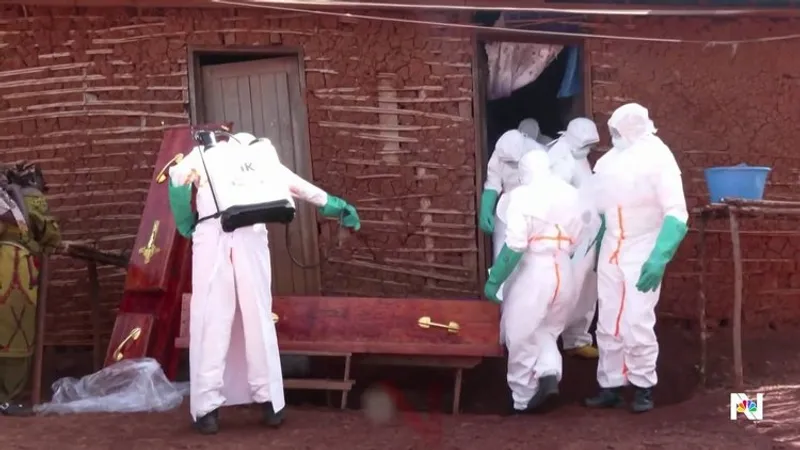
TLDR: The White House vowed to keep Ebola out of the U.S., expanding airport screenings nationwide and setting up a Kenya facility for Americans.
Key Takeaways:
- Context: Ebola fears are driving stricter border health steps while the U.S. prepares care capacity abroad.
- Main fact: Increased airport screenings at major U.S. cities and a new Kenya facility aimed to treat Americans.
- Meaning: Faster detection plus off site treatment could reduce exposure risk and speed decisions for travelers and crews.
- Background: The plan ties travel controls to medical logistics, shifting some response work to Kenya.

It is the classic playbook: catch the problem at the gate, then route the sick to where help is ready. The real test is whether screening catches what it is supposed to catch.
It is the classic playbook: catch the problem at the gate, then route the sick to where help is ready. The real test is whether screening catches what it is supposed to catch.
Q&A
What happens to travelers who flag during screening, and how does the process avoid clogging airports?
Screening typically triggers secondary checks and medical evaluation, so the next pressure point is throughput, including staffing, private triage areas, and rapid transport plans.
Why does the U.S. invest in treatment outside the country instead of only expanding domestic care?
Off site treatment can keep U.S. hospitals from becoming bottlenecks, while also building a dedicated workflow for isolation, specialized staffing, and infection control.
How will airport screening handle travelers who arrive from multiple connections or transit hubs?
Officials often rely on documented itineraries and risk based protocols, so the next step is how well they integrate passenger data across airlines and layovers.
Could stricter screening change traveler behavior in ways that complicate public health tracking?
Yes. Some people may delay travel or enter through less monitored routes, so authorities may need stronger coordination with contact tracing teams and public guidance.
What would success look like for this strategy over the next several months?
Success would mean early identification without major disruption, clear transfer pathways to treatment sites, and improved readiness for any suspected case.


No comments yet. Be the first to share your thoughts!