
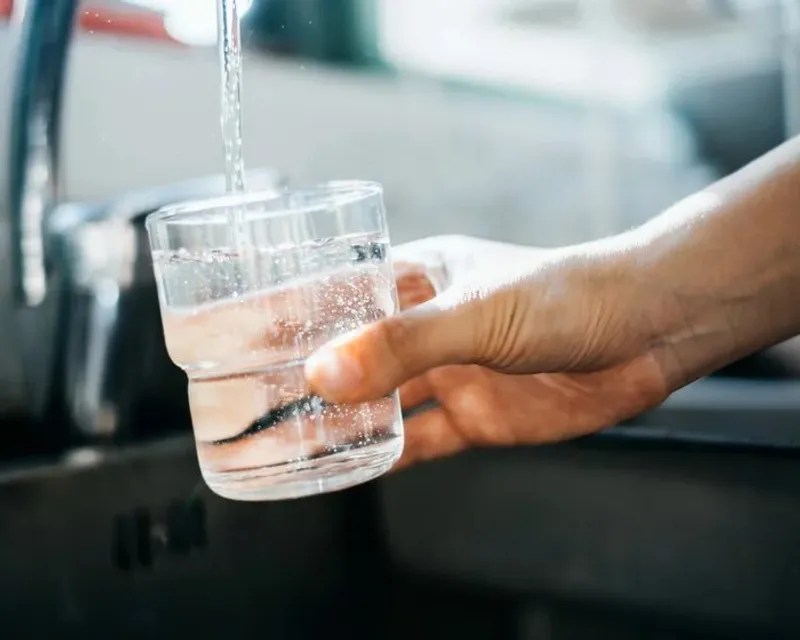
TLDR: WASHINGTON—The EPA moved to cut Biden era PFAS drinking water limits and delay rules for two compounds, drawing sharp criticism for public health risk. Advocates say the shift favors industry and undermines safeguards against forever chemicals.
Key Takeaways:
- Background: PFAS are persistent forever chemicals tied to health harms, so strict drinking water limits became a key protection.
- Main fact: EPA announced it will kill strong drinking water limits for four PFAS compounds and delay implementation for two more.
- Meaning: Advocates call the approach nonsensical, saying destruction plans echo carbon capture tactics that benefit industry while weakening safeguards.

This is the policy equivalent of swapping a working smoke detector for a promise that someone will eventually eliminate the fire. Advocates want fewer PFAS in water, not bigger bets on chemical destruction.
This is the policy equivalent of swapping a working smoke detector for a promise that someone will eventually eliminate the fire. Advocates want fewer PFAS in water, not bigger bets on chemical destruction.
Q&A
If EPA reduces drinking water limits, what early warning signals could still show harm before court challenges conclude?
Public health agencies could track PFAS sampling trends in drinking water systems, tap water lab results, and whether states adjust monitoring and advisories faster than federal rules weaken.
Why do critics compare a PFAS destruction plan to fossil fuel carbon capture?
Carbon capture has often been criticized as a method that delays near term cuts while betting on future capacity. PFAS destruction faces similar skepticism when production and exposure limits are relaxed.
What happens to drinking water compliance planning when implementation dates get delayed for specific compounds?
Utilities may pause costly treatment upgrades or monitoring upgrades tied to those compounds, which can leave communities exposed during the gap and complicate later compliance transitions.
Could states fill the gap if federal limits are weakened for certain PFAS compounds?
Many states can set tougher standards or require monitoring through their own regulatory authority. However, gaps can persist when local standards lag or when oversight capacity varies.
What would a credible PFAS strategy require to satisfy both regulators and public health advocates?
Advocates typically argue for strong enforceable limits in drinking water plus rapid reduction of PFAS production, along with clear destruction performance data that proves effectiveness at scale.





No comments yet. Be the first to share your thoughts!