
Trump admin blocks Ebola exposed green card holders, sends to Kenya
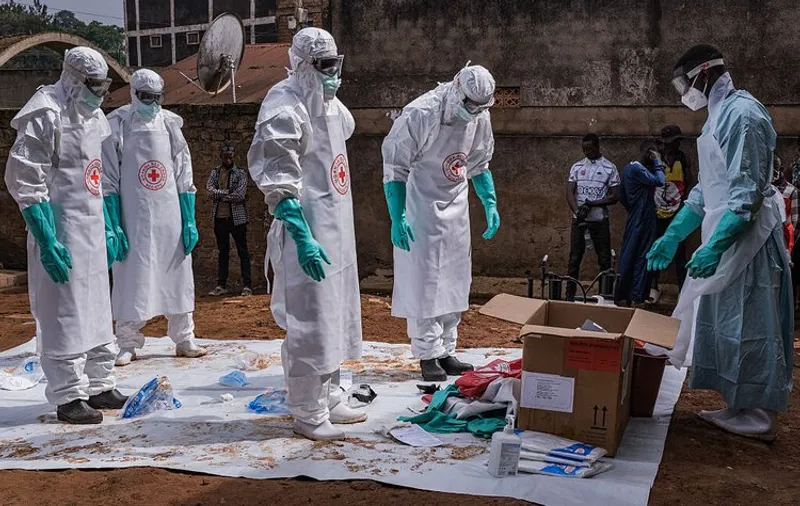
TLDR: WASHINGTON—The Trump administration expanded its Ebola travel ban, blocking green card holders who visited DRC, Uganda, or South Sudan in 21 days and moving exposed Americans to Kenya. The move lands amid WHO estimates of undercounted cases and growing pressure for coordinated outbreak control.
Key Takeaways:
- The Ebola outbreak in the Democratic Republic of Congo continues to surge, with WHO counts likely lagging and underestimating real spread.
- The administration barred even lawful permanent residents from entry if they traveled in the prior 21 days to DRC, Uganda, or South Sudan, beyond an earlier ban on non US passport holders.
- Relocating exposed Americans to Kenya rather than integrating with US and WHO response could strain trust and complicate contact tracing and care logistics.

Outbreak control usually rewards coordination, not walls. This policy bets that quarantines and relocation can substitute for the messy work of tracing and treating, even as WHO warns the numbers are already slipping behind reality.
Outbreak control usually rewards coordination, not walls. This policy bets that quarantines and relocation can substitute for the messy work of tracing and treating, even as WHO warns the numbers are already slipping behind reality.
Q&A
If green card holders are blocked from entry after recent travel, who bears the burden of monitoring exposure once they land elsewhere?
The policy shifts responsibility toward receiving countries and related partners, meaning health systems in Kenya may handle screening, observation, and follow up coordination that would otherwise involve US public health teams.
How does blocking entry for people who traveled within 21 days affect contact tracing timelines compared with testing at points of arrival?
It can delay or disconnect screening from the US travel network, potentially slowing linkage between passenger movement data and suspected exposures, unless data sharing with receiving sites is rapid and standardized.
Why would the administration choose to include Uganda and South Sudan even though reported cases there are minimal or zero?
A wider net can reflect precautionary assumptions about travel routes and reporting gaps, but it also raises the risk of unnecessarily catching low exposure individuals and swelling the population requiring special handling.
What precedent does this resemble in US public health history, and what lesson does it usually carry?
It echoes earlier eras when the US relied heavily on border controls. Those efforts can reduce introductions, but critics often argue they cannot replace outbreak containment once community spread accelerates.
What happens next if the policy expands while WHO numbers continue to be revised upward?
More people may qualify as affected or blocked, increasing international friction and operational strain. US authorities would likely face mounting pressure to align with WHO case definitions, reporting, and treatment capacity rather than relying primarily on exclusion.


No comments yet. Be the first to share your thoughts!