
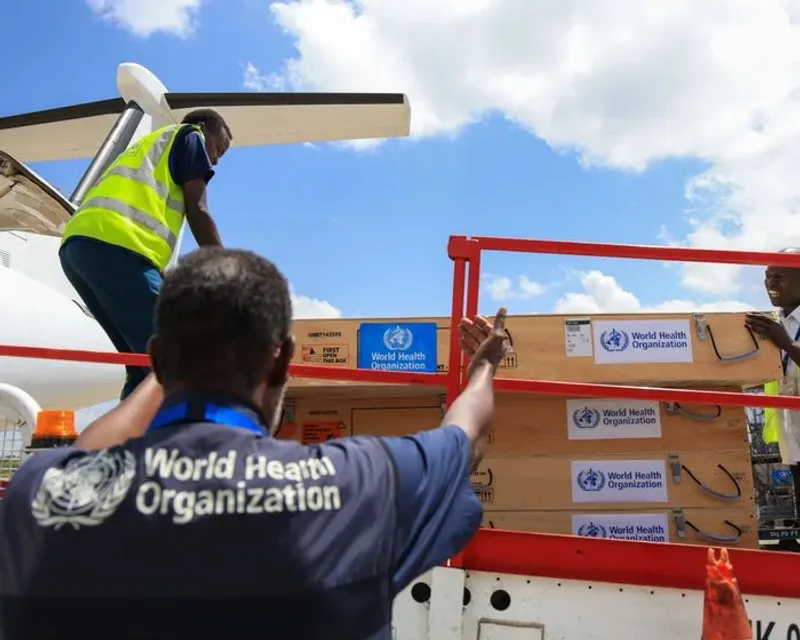
TLDR: NAIROBI, Kenya—The Trump administration is building an Ebola quarantine and treatment center in Kenya for Americans exposed in DRC. Critics say blocking return home could reduce disclosure and volunteerism.
Key Takeaways:
- Context: Ebola spread in the Democratic Republic of the Congo has prompted emergency planning for US citizens and restrictive entry rules.
- Main fact: A White House official confirmed a Kenya facility for Americans to quarantine and receive care after exposure in DRC.
- Meaning: Epidemiologists and aid leaders warn that denying return home could push cases underground, weaken contact reporting, and discourage health workers.

In a crisis that depends on fast honesty and rapid isolation, a quarantine plan that limits homecoming feels like a penalty for getting exposed. That can quietly sabotage the very response teams are trying to build.
In a crisis that depends on fast honesty and rapid isolation, a quarantine plan that limits homecoming feels like a penalty for getting exposed. That can quietly sabotage the very response teams are trying to build.
Q&A
If Americans fear they cannot return home, how might that change what contact tracers and clinicians see during an outbreak?
It can reduce self reporting after exposure, slow symptom disclosure, and complicate early isolation decisions, especially when people weigh family separation against seeking care.
What would make a Kenya quarantine model succeed despite criticism?
Clear policies on evaluation, timelines, and transportation routes, plus robust incentives to report exposure and rapid medical escalation if infection is suspected.
Why did the 2014 2015 Ebola response lean on homecoming assurances, and what lesson does that carry today?
US planners learned that travel bans can be counterproductive by deterring participation and delaying case reporting; trust in medical logistics helped keep people engaged.
How might the treatment center affect US public health staffing and on the ground volunteering?
If workers believe they could be stuck outside the US, fewer responders may sign up, increasing staffing gaps for high risk roles like monitoring, isolation logistics, and contact tracing.
What happens next if the policy stays vague about return eligibility and forward transport destinations?
Uncertainty can drive legal and ethical disputes, increase public distrust, and complicate operational planning for quarantined patients, families, and coordinating agencies.


No comments yet. Be the first to share your thoughts!