
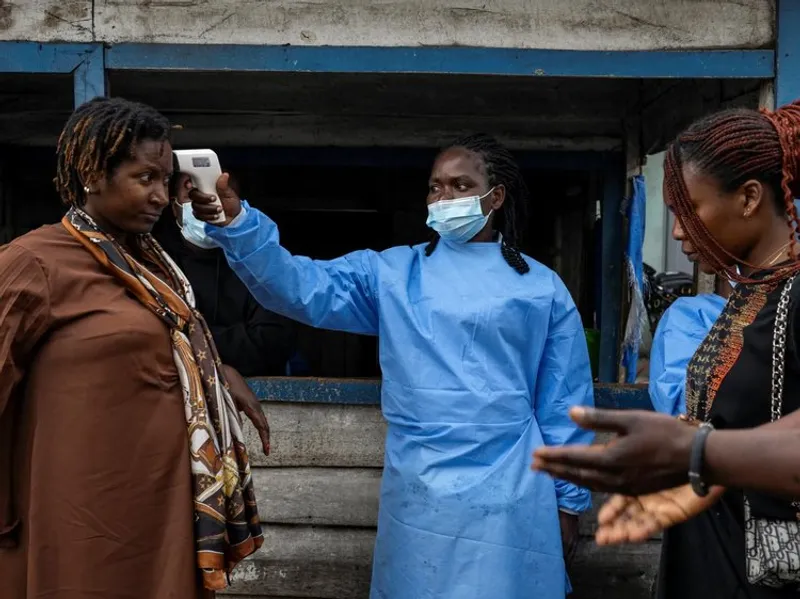
TLDR: GENEVA—WHO Director General Tedros Ghebreyesus says eastern DRC war is outpacing Ebola response in Ituri. Since May 15, at least 10 confirmed deaths and 220 suspected deaths show Bundibugyo spread, with no approved vaccine or treatment.
Key Takeaways:
- Ituri in eastern DRC has long suffered absent state services and decades of armed group conflict.
- WHO recorded 10 confirmed Ebola deaths and 220 suspected deaths since May 15, with 900 suspected cases; no approved vaccine or treatment exists for Bundibugyo strain.
- Tedros says stopping transmission depends on humanitarian access, demanding an immediate ceasefire as attacks sever containment corridors.
- Neighboring countries including Rwanda, Kenya, Tanzania, and Zambia face risk due to cross border exposure and monitoring concerns.

Ebola is not racing alone. In eastern DRC, the fighting writes its own timeline, turning containment into a moving target and making access the real bottleneck.
Ebola is not racing alone. In eastern DRC, the fighting writes its own timeline, turning containment into a moving target and making access the real bottleneck.
Q&A
If a ceasefire fails, what breaks first in an Ebola response under active bombardment?
Case finding and contact tracing. Bombing and attacks on facilities cut transport, disrupt surveillance teams, and keep people from safely isolating and seeking care.
Why does the lack of an approved Bundibugyo vaccine raise pressure for faster containment?
When vaccination and specific treatment are not available, the entire strategy shifts to rapid isolation, contact tracing, and safe burials, which depend heavily on uninterrupted access.
How do overcrowded camps after displacement change Ebola transmission dynamics?
They can increase contact rates, complicate sanitation and infection control, and make it harder to separate exposed people from the sick during outbreaks.
What does WHO mean by humanitarian access as the core variable?
Access determines whether teams can reach communities, collect data, deliver supplies, and operate isolation and referral pathways, which are prerequisites for stopping transmission.
How might cross border risk screening affect local politics in neighboring countries?
Health alerts can strain budgets and staffing, intensify movement checks, and create tension if communities fear stigmatization or disruptions to trade and travel.
Top in Public Health

WHO chief warns Ebola containment collapses under eastern Congo fighting

AI chatbot pilot pressures Hong Kong’s smoking quit efforts
USAID testimony clashes with State Department over Ebola response

AP probe flags ICE suicide surge amid oversight failures

No comments yet. Be the first to share your thoughts!