
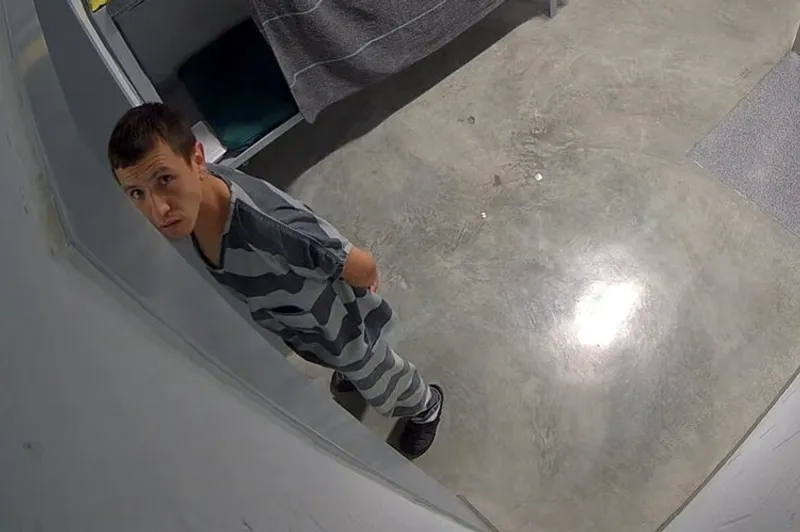
TLDR: ROLLA, Mo.—An AP investigation finds at least 10 ICE detainee suicides since January 2025, including Brayan Rayo Garzon in Missouri after delayed mental health care. Officials and experts call the jump a serious public health failure affecting detainees across ICE custody.
Key Takeaways:
- ICE custody has expanded by 50 percent to 60,000 detainees in Trump’s second term, while inspections and records suggest uneven medical and mental health delivery.
- AP reviewed ICE data, autopsies, coroner rulings, and police records, finding seven suicide classifications since October, and at least three screening failures tied to the 12 hour standard.
- Experts say missed red flags, delayed referrals, isolation, and unsecured items can make deaths preventable, pushing ICE and contractors under sharper scrutiny.

When isolation and delayed treatment collide with detention stress, the system starts looking less like custody and more like negligence with paperwork.
When isolation and delayed treatment collide with detention stress, the system starts looking less like custody and more like negligence with paperwork.
Q&A
What changes would most directly reduce suicide risk inside immigration detention after AP’s findings?
Experts point to faster mental health screening within the 12 hour window, rapid follow up after referrals, close monitoring for high risk detainees, and limiting harmful isolation practices.
Why does communication matter so much in preventing suicides in detention settings?
AP reports delays worsened when staff could not speak a detainee’s language, making it harder to recognize distress, document symptoms accurately, and deliver timely mental health support.
How might repeated inspection violations affect contractor behavior over time?
When failures show up across multiple facilities and contractors, agencies can face stronger oversight pressure, contract changes, and more targeted monitoring, though enforcement speed remains a key concern.
Why is a rising suicide rate especially alarming even if officials call suicides rare?
Rare does not mean safe. A sudden increase outpacing detention growth signals system breakdowns in intake, staffing, monitoring, and mental health responsiveness.
What happens next for detainees and families as data and autopsy findings become public?
Families may demand accountability and seek legal and policy remedies, while public health groups and oversight bodies can use the evidence to push for stricter detention standards and enforcement.





No comments yet. Be the first to share your thoughts!