
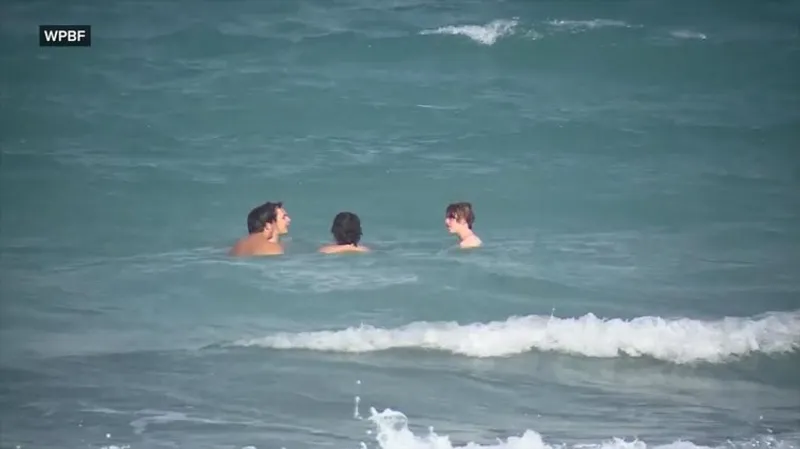
TLDR: American Lifeguard Associations spokesperson Wyatt Werneth urged families to research beaches before they go, so adults and kids know hazards and safe zones.
Key Takeaways:
- Beach trips fail when families skip local details like lifeguard coverage and water conditions.
- Wyatt Werneth said to research the beach first so families understand risks and plan safer swimming.
- A quick pre visit reduces guesswork and helps kids follow clearer rules at the shoreline.
- Before you swim, confirm lifeguards are on duty and scan for rip current signs, posted rules, and shaded break spots.

The beach is fun until it turns into a choose your own danger story. A little homework before towels hit sand keeps the day boring in the best way.
The beach is fun until it turns into a choose your own danger story. A little homework before towels hit sand keeps the day boring in the best way.
Q&A
What should families check before arriving if they want to avoid rip current trouble?
Look for posted rip current guidance, confirm lifeguard staffing, and review local advisories so kids know where to enter and where to stay out.
Why does lifeguard coverage matter even when the water looks calm?
Rip currents and sneaker waves can shift fast, so trained response times and surveillance still dictate how safe a spot truly is.
How can parents prevent safety rules from turning into a shouting match?
Agree on simple boundaries before you swim, like staying in roped areas, checking the flag, and using a buddy system that kids can follow.
What is the easiest way to spot changing risk once you are already at the beach?
Recheck the signage and observe behavior of posted swimmers and lifeguards, because hazards often announce themselves through water patterns.
What long term lesson does beach safety advice carry for other outdoor activities?
The smartest safety plan is local and specific, not general confidence, because conditions and enforcement vary from site to site.





No comments yet. Be the first to share your thoughts!