
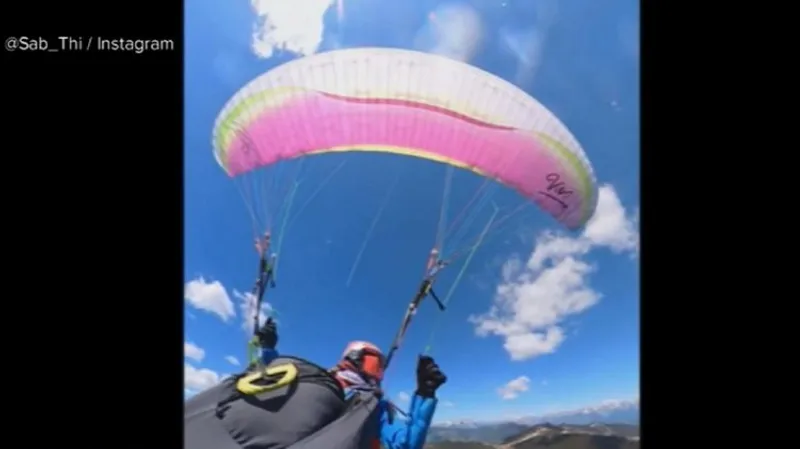
TLDR: AUSTRIAN ALPS—A plane struck a paraglider canopy over the Austrian Alps, jolting the pilot thousands of feet above the mountains. The woman plunged toward the ground after the impact.
Key Takeaways:
- Paragliding above mountain terrain mixes complex airspace with unpredictable aircraft traffic patterns.
- A plane slammed into the paraglider canopy, sending the pilot into a rapid fall from thousands of feet.
- The incident raises urgent questions about airspace separation and how aerial sports coordinate with aviation traffic.

A moment that looks surreal on video is still brutally real for the person in the air. Incidents like this turn “shared skies” into a numbers game, and the margin for error vanishes fast.
A moment that looks surreal on video is still brutally real for the person in the air. Incidents like this turn “shared skies” into a numbers game, and the margin for error vanishes fast.
Q&A
What airspace rules typically govern paragliders near common flight corridors?
Paragliders usually operate under different visual and procedural rules than powered aircraft, but the exact separation depends on local regulations, active air corridors, and whether the area is designated for gliding activity.
Why can a canopy strike be survivable in some cases but catastrophic in others?
The outcome hinges on canopy control loss, deployment status, altitude at impact, and whether the pilot can execute emergency procedures immediately before too much altitude is lost.
What should pilots and organizers do differently after an incident like this?
They often review launch and landing sites, coordinate flight planning with local aviation authorities where possible, and adjust operating windows to reduce overlap with nearby aircraft routes.
How do investigators reconstruct what aircraft saw and when?
They typically compare radar and flight tracking data with witness accounts and any available onboard logs, then map the relative positions to determine timing and separation.
Could technology reduce these collisions more than rules alone?
Tools like real time traffic awareness displays and improved coordination channels can help, but they work best when paired with clear procedures and consistent compliance from everyone sharing the airspace.




No comments yet. Be the first to share your thoughts!