
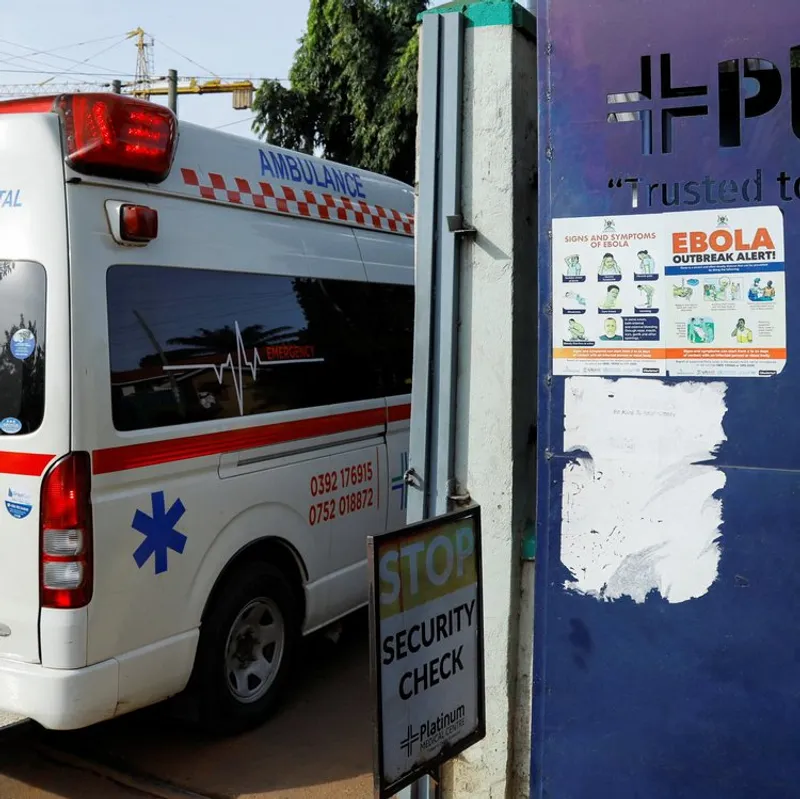
TLDR: KENYA—The Trump administration will send Americans exposed to Ebola to Kenya for treatment, a change from past U.S.-based hospital care.
Key Takeaways:
- Previous Ebola responses shipped exposed Americans home for care in advanced state-of-the-art facilities.
- The administration also has already flown some U.S. citizens to Europe for treatment in this response.
- Moving treatment offshore to Kenya could speed containment but tests logistics, oversight, and public trust.

If you thought the default plan was bringing Americans back to U.S. hospitals, this answer is Kenya. It might be faster, but the real pressure will land on who monitors care and how fast updates reach families.
If you thought the default plan was bringing Americans back to U.S. hospitals, this answer is Kenya. It might be faster, but the real pressure will land on who monitors care and how fast updates reach families.
Q&A
What operational hurdles make a Kenya transfer more complicated than sending patients to U.S. facilities?
Transport readiness, infection control at departure and arrival points, and real-time coordination between U.S. health agencies, Kenyan sites, and air crews.
How will authorities decide which exposed Americans go abroad versus stay for domestic treatment?
Expect triage based on symptom status, viral risk assessment, and available isolation capacity, but the criteria likely need to be published to maintain confidence.
Why did Europe become part of the plan already, and what does that signal for future evacuations?
It suggests the administration is building a multi location treatment network and may rely on partner capacity when U.S. surge resources tighten.
What lessons from past Ebola evacuations could reduce harm when care moves overseas again?
Earlier transparency on patient selection, standardized protocols for isolation, and clear communication to families can prevent confusion during transfer windows.
Could offshore treatment change how communities view outbreak risk and containment strategies?
Yes, if messaging feels inconsistent, people may question whether they are being protected or redirected, which can influence cooperation with monitoring and contact tracing.




No comments yet. Be the first to share your thoughts!