
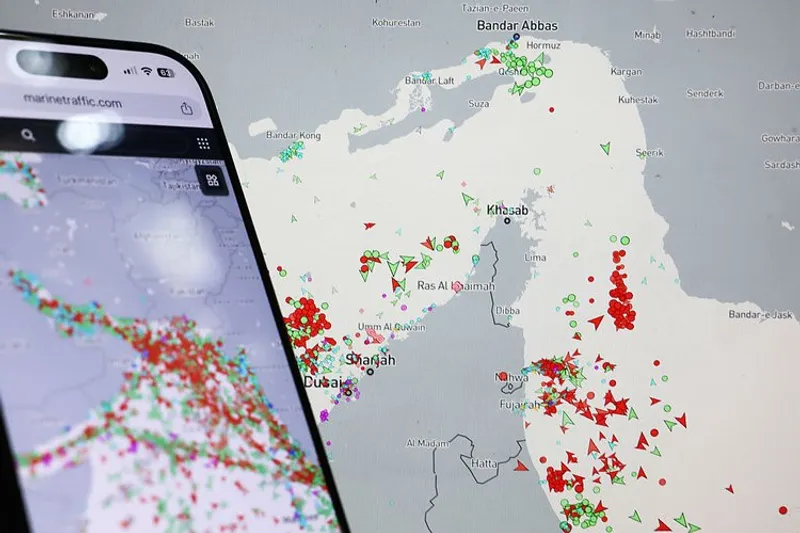
TLDR: U.S. crude eased after the White House called an Iranian state media report about Hormuz opening within a month a complete fabrication. WTI fell near 4% to $90.19 and Brent dropped over 3% to $96 as negotiations and military escalation risk continue.
Key Takeaways:
- Negotiations with Iran run alongside fresh U.S. strikes in southern Iran and Tehran threats of retaliation, keeping markets jumpy.
- Iranian state television cited a draft memorandum framework and said Hormuz commercial traffic would return to prewar levels within one month with Oman cooperation.
- Traders now discount a fast traffic restart; veterans warn it takes months to reach even 80% flow levels, with full normalization stretching into 2027.

Markets reacted like a door key turning, then stopped when the White House said the story was fake. The real tension is that shipping relief is slower than headlines, especially when negotiations and retaliation keep landing on the same timetable.
Markets reacted like a door key turning, then stopped when the White House said the story was fake. The real tension is that shipping relief is slower than headlines, especially when negotiations and retaliation keep landing on the same timetable.
Q&A
If Hormuz traffic does not rebound quickly, what second order effect could hit crude beyond the spot price move?
Persistent tightness can raise shipping and insurance costs, which can flow into refinery run economics and term structure pricing, not just front month futures.
Why would a single denial from the White House move oil prices within hours?
Oil is trading expectations. When a headline suggests immediate easing of a choke point, traders reprice risk fast, and credibility checks can reverse that repricing just as quickly.
What would “prewar levels within one month” require operationally to be believable?
It would require not only political agreement but also実 ramping of safe passage capacity, port handling, and coordinated traffic management, which veterans say normally takes multiple months.
How does the deal negotiation timeline compete with the military escalation timeline in shaping market behavior?
Markets overweight the next credible threat. Even if talks progress, renewed strikes can overwhelm progress by tightening perceived supply and raising risk premia.
Historically, what tends to happen to oil flows when rhetoric about an immediate resolution meets delays in implementation?
The initial price relief often fades as traders reassess physical constraints, shifting focus from “agreement headlines” to measured flow data and delivery schedules.




No comments yet. Be the first to share your thoughts!