

TLDR: LONDON—Oil slid after US Iran talks kept moving despite new attacks. Brent fell to 93.22 and WTI to 89.78 as Hormuz passage eased fears.
Key Takeaways:
- Talks between Washington and Tehran continue while strikes hit missile sites and mine laying ships near Hormuz.
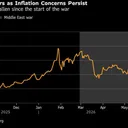
- Brent August futures sank 3.6% to 93.22 and WTI July futures dropped 4.4% to 89.78 on deal hope signals.
- Traders weigh easing supply from recent LNG transits against unresolved issues like frozen assets and full Hormuz access.

Markets love a ceasefire storyline, but the Strait of Hormuz still runs on receipts. Every missile headline and inventory number decides whether optimism holds.
Markets love a ceasefire storyline, but the Strait of Hormuz still runs on receipts. Every missile headline and inventory number decides whether optimism holds.
Q&A
If oil keeps falling on deal hope, what would likely snap the trend in the opposite direction?
Fresh disruptions around the Strait of Hormuz, especially credible threats to LNG routes or shipping insurance, would quickly push traders back into a higher risk premium.
Why do Hormuz transit reports calm markets even when military strikes still happen?
Traders treat physical movement, like LNG tankers passing, as immediate supply evidence, while diplomacy talk can change later and still leave supply vulnerable.
How might the dispute over Iran frozen assets slow or derail an agreement even if ceasefire talks progress?
Frozen assets are leverage points tied to enforcement and timing. If terms cannot be operationalized, negotiators may extend talks without delivering the market friendly step.
What role could US inventory data play if geopolitical headlines keep dominating price action?
Inventory prints can confirm whether demand is absorbing crude or whether stockpiles are building. That can either validate the selloff or force a reversal despite ongoing tensions.
What does the statement from Iran leaders imply about escalation risk after any deal framework?
Even with a negotiation runway, Iran signals it may not treat attacks or retaliation as concluded, which raises the odds of sudden retaliatory headlines after talks produce incremental progress.




No comments yet. Be the first to share your thoughts!