
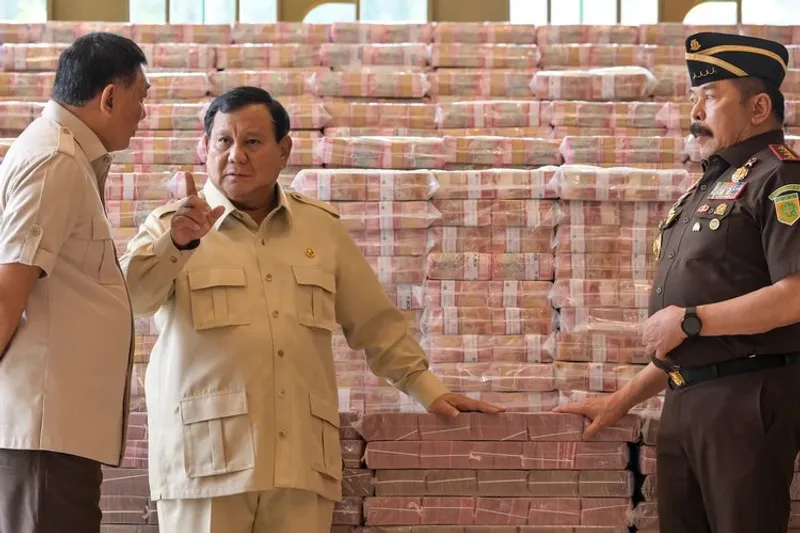
TLDR: JAKARTA—Indonesia will route selected raw material exports through one state owned enterprise under President Prabowo Subianto, starting intermediary sales next week and shifting to direct trading in January 2027. The sudden rollout risks disrupting nickel, palm oil, and coal markets while Indonesia faces fiscal strain and mounting currency pressure.
Key Takeaways:
- Indonesia is under budget pressure from fuel subsidies, social programs, and weak tax collections.
- Prabowo orders selected raw exports through Danantara Indonesia, with intermediary sales next week and direct trading in January 2027.
- Indonesia could damage global supply chains for nickel and palm oil, as the rupiah weakens and officials scramble to implement.

Indonesia is trying to squeeze more revenue out of the supply chain, but doing it through a state owned middleman adds friction to already fragile markets. When rules change faster than factories can adjust, buyers do not just hedge prices, they hedge access.
Indonesia is trying to squeeze more revenue out of the supply chain, but doing it through a state owned middleman adds friction to already fragile markets. When rules change faster than factories can adjust, buyers do not just hedge prices, they hedge access.
Q&A
If intermediary sales start next week, what could go wrong before direct trading begins?
Delays in commodity designation, contract terms, logistics approvals, and pricing mechanisms can strand shipments and prompt buyers to switch suppliers temporarily.
Why does under invoicing in export paperwork translate into higher national revenue once exports route through one entity?
A single channel can standardize valuation checks, reduce arbitrage across related trading networks, and tighten monitoring of transactions linked to offshore profit shifting.
What is the most likely investor reaction if Danantara has not published legally mandated financial statements?
Debt and equity investors may demand higher risk premiums, while operating partners may delay procurement and capex until governance, audits, and cash flow visibility improve.
How could a rupiah slide intensify the real world impact of export disruption?
A weaker currency raises import costs and inflation pressure, which can force faster policy pivots and make implementation mistakes more expensive for both firms and the state.
If Indonesia leans further into state ownership to patch budgets, what historic outcome tends to follow?
When revenue controls outpace market capacity, bureaucratic bottlenecks can deepen, corruption risks often rise, and the private sector can pull back from long term deals.




No comments yet. Be the first to share your thoughts!