
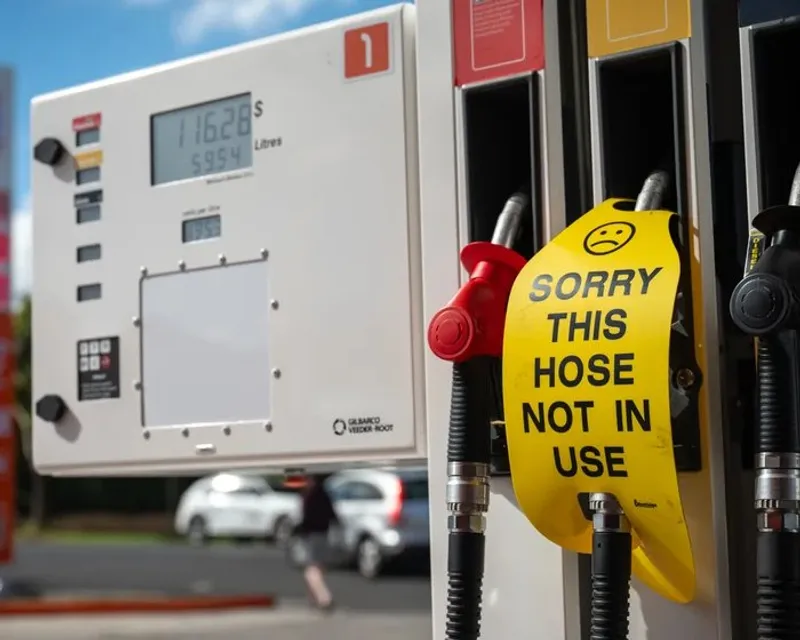
TLDR: Oil prices jumped about $100 as Iran closed the Strait of Hormuz. A US Iran deal is urged to prevent inflation, shortages, and recession.
Key Takeaways:
- Background: US and Israel strikes pushed Iran to respond by shutting the Strait of Hormuz, tightening global supply.
- Main fact: Spot crude prices have bounced about $100 since Hormuz closure, lifting costs worldwide.
- Meaning: If high oil prices persist, the ripple could trigger inflation, shortages, and later recession pressure.

When the Strait of Hormuz squeezes, the whole price ladder flinches. A US Iran deal is less diplomacy and more a pressure valve before the economy starts absorbing shocks the hard way.
When the Strait of Hormuz squeezes, the whole price ladder flinches. A US Iran deal is less diplomacy and more a pressure valve before the economy starts absorbing shocks the hard way.
Q&A
What happens to everyday prices if oil stays expensive longer than policymakers expect?
Higher crude feeds transport, food, and manufacturing costs, and that second round of pricing can spread faster than the first shock.
Why does a deal timetable matter when traders already price in risk daily?
Because uncertainty itself raises the discount rate on supply, and markets can overshoot while they wait for confirmation of reopening.
How could shortages show up even if physical barrels still exist somewhere?
Tight shipping routes and rerouting can make delivery timing unreliable, so availability on paper does not guarantee usable inventory.
If recession risk grows from oil, what would change it the most: demand drop or supply restart?
A supply restart can cut prices without waiting for demand to collapse, while demand weakness alone can depress incomes and deepen downturns.
What historical pattern fits this moment: spikes causing inflation first, or growth slowing first?
Oil shocks often begin with price inflation and only later translate into weaker growth, but severity depends on how long the supply disruption lasts.


No comments yet. Be the first to share your thoughts!