
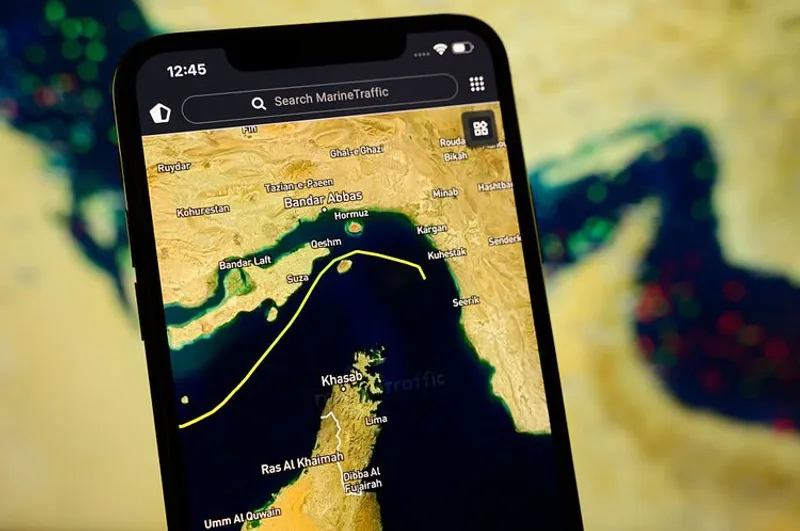
TLDR: LONDON—Brent jumped to 98.47 a barrel as Iran hinted it could charge ships for passing Strait of Hormuz, shaking investor confidence.
Key Takeaways:
- Brent and WTI diverged as markets weighed U.S. defensive strikes against Iran and Trump suggested a peace framework may be forming.
- S&P Global Energy president Dave Ernsberger said investors hesitate amid mixed negotiation signals, with Iran foreign ministry warning navigation will have costs.
- A transit toll of about 1 a barrel could raise global prices or squeeze exporters, while tanker traffic stays near 10 percent of normal.

In markets, uncertainty acts like a tax. Even a theoretical Hormuz toll shifts who pays, who profits, and whether ships risk the route.
In markets, uncertainty acts like a tax. Even a theoretical Hormuz toll shifts who pays, who profits, and whether ships risk the route.
Q&A
If Iran charges a transit fee, how could global pricing adjust when Brent already reflects Middle East supply risk?
Traders would likely price the fee as an added supply cost, pushing up effective realized export prices or forcing producers to absorb part of the toll, depending on contract terms.
Why might investors stay sidelined even if a ceasefire eventually reopens the Strait?
Reopening is only step one. Stability depends on enforcement, fee predictability, and whether shipping volumes recover fast enough to rebuild trust.
What would a joint Iran and Oman system mean for enforcement at sea?
It could clarify who collects fees and how they are calculated, but it also concentrates leverage in littoral states, making compliance and disputes harder to price.
What happens to shipping schedules if tanker traffic remains near 10 percent of pre war levels?
Delayed routing can lengthen voyages and tighten tanker availability, raising freight rates and amplifying volatility even without major changes in crude production.
Could a precedent of transit tolls spread beyond Hormuz and change how governments monetize chokepoints?
Yes. If markets accept tolls as a new normal, other strategic lanes could face similar proposals, turning logistics policy into a durable pricing variable.




No comments yet. Be the first to share your thoughts!