

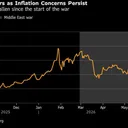
TLDR: QATAR—WTI crude slid $2.72, or 2.82%, to $93.88 per barrel as optimism rose over U.S. Iran talks in Qatar and a possible Strait of Hormuz reopening. The mood faced a jolt after U.S. forces carried out limited self defense strikes near Bandar Abbas.
Key Takeaways:
- Oil traders are watching whether the Strait of Hormuz stays blocked or reopens after a ceasefire tied to negotiations.
- WTI July fell to $93.88 per barrel as Qatar talks continued while U.S. strikes hit mine laying and missile sites near Bandar Abbas.
- If a deal expands, energy shipping could normalize fast, but nuclear demands and mine clearance timelines keep the risk premium alive.

Markets hate uncertainty but love a deadline, and diplomacy finally looks like one. Even with strikes still in the rearview mirror, traders are pricing in a corridor returning to business.
Markets hate uncertainty but love a deadline, and diplomacy finally looks like one. Even with strikes still in the rearview mirror, traders are pricing in a corridor returning to business.
Q&A
What single step could most quickly swing oil expectations from fragile optimism to durable pricing?
A verifiable timeline for Strait of Hormuz reopening, ideally paired with confirmation of mine clearance and shipping protocols that traders can underwrite.
Why might U.S. forces conduct limited strikes while talks proceed, instead of keeping actions fully paused?
Leaders may try to deter immediate escalation by disrupting threats like mine laying, while still signaling to markets and negotiators that diplomacy remains the intended channel.
How does the Abraham Accords demand change bargaining leverage in a U.S. Iran deal?
It reframes the settlement as a broader regional political project, potentially rewarding Arab participation but also raising the number of stakeholders who can slow agreement.
What happens to the oil risk premium if negotiations drag beyond a short window Rubio referenced?
Protracted talks would likely keep insurers, shippers, and buyers cautious, sustaining higher pricing even if both sides remain officially committed to diplomacy.
Historically, when talks in the Gulf have looked promising, what tends to follow during the fragile middle phase?
Even amid optimism, conflicts often return in bargaining details such as verification steps, sequencing, and enforcement, which can keep commodity volatility elevated until implementation begins.

No comments yet. Be the first to share your thoughts!