
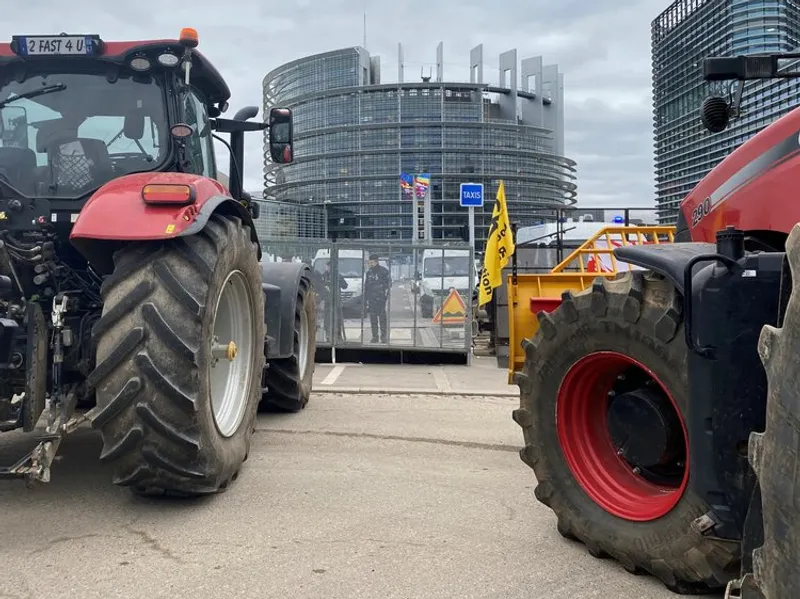
TLDR: BRUSSELS—EU agriculture ministers met in Brussels as warlinked Strait of Hormuz disruption lifted global gas and nitrogen fertilizer prices, straining farmers and exposing EU supply and policy divides.
Key Takeaways:
- Europe imports ammonia and urea but relies on imported gas for domestic nitrogen, making price shocks spread even without direct shortages.
- Nitrogen fertiliser prices sit about 70 percent above 2024 averages; the EU is proposing stockpiles, emergency aid, and suspending tariffs.
- Ireland is especially exposed without stockpiles, while internal fights over carbon levies and pollution rules shape how relief lands.

Europe is not running out of fertiliser overnight, but it is relearning how fast global shipping and energy turbulence can turn into farm bills. The real fight is not only supply, it is who pays, and which EU rules get bent when tractors get loud.
Europe is not running out of fertiliser overnight, but it is relearning how fast global shipping and energy turbulence can turn into farm bills. The real fight is not only supply, it is who pays, and which EU rules get bent when tractors get loud.
Q&A
If nitrogen fertilizer affects food prices with a six month lag, what warning signs should shoppers watch for first?
Retail price pressures often start with animal feed and staple inputs rather than direct fertilizer headline news, so monitoring livestock feed costs and wholesale grain prices can reveal trouble early.
Why did Europe avoid a direct shortage despite Hormuz shipping carrying a large share of world fertilizer trade?
The bloc imports small shares from the Middle East compared with global averages, so the bigger impact arrives through energy driven production costs and global price transmission.
How might the tariff suspension change market behavior before the policy even reaches farms?
Importers often shift purchasing timelines and contract terms toward duty free supply lanes, which can reduce near term scarcity but may create whiplash when tariffs return.
What happens next if stockpiles help some countries but not others inside the EU?
Price and availability gaps can deepen between member states, strengthening calls for EU level guarantees and increasing pressure for harmonized emergency measures.
Can environmental and carbon pricing rules survive a prolonged fertilizer cost crisis without triggering a political backlash?
The risk is momentum loss if farmers link sustainability targets to higher food costs, so Brussels may face stronger pressure to offer exemptions, offsets, or compensation tied to enforcement.


No comments yet. Be the first to share your thoughts!