
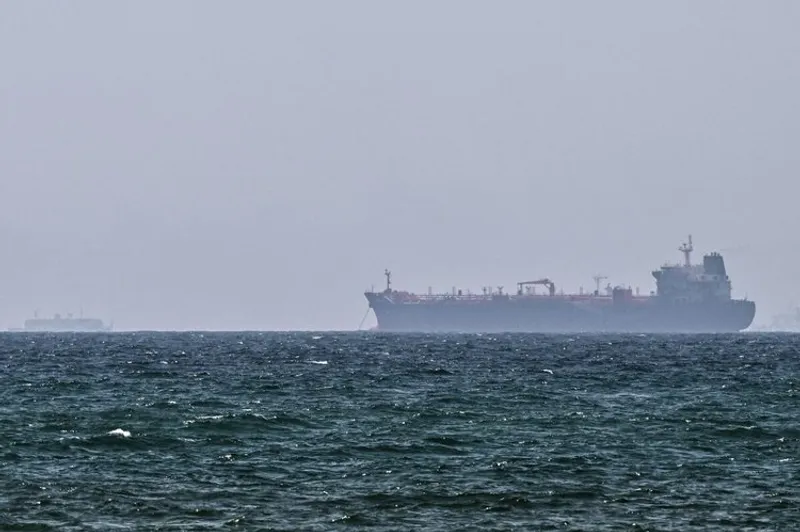
TLDR: STRAIT OF HORMUZ—After supertankers exited the Strait of Hormuz, commercial shipping through the chokepoint dropped to a few mostly Iran linked vessels. The stop start flow highlights how quickly disruptions can tighten global oil logistics and sentiment.
Key Takeaways:
- The Strait of Hormuz funnels a major share of world oil and attracts sensitive monitoring for sanctions, naval risk, and rerouting plans.
- Shipping dwindled on Wednesday to only a few vessels, mostly Iran linked, after supertankers cleared the area.
- A traffic slowdown can signal friction without a full halt, yet it can still jolt oil buyers, pricing, and insurance assumptions.
- Future checks will focus on whether flows stay thin or rebound, and how much demand shifts toward alternative routes and storage buffers.

When the world’s most watched waterway goes quiet, nobody is calm. Traders and captains read every uptick and lull like weather, because energy markets do.
When the world’s most watched waterway goes quiet, nobody is calm. Traders and captains read every uptick and lull like weather, because energy markets do.
Q&A
If traffic looks thin but not halted, what could still tighten the oil market?
Even a partial slowdown can raise perceived delivery risk, affect tanker availability for loading schedules, and push buyers to pay for certainty rather than just volume.
Why do supertankers leaving often coincide with immediate visibility changes on shipping trackers?
Trackers show real time positions, so a mass movement out of a chokepoint can create a sudden dip even if overall regional movement continues.
What determines whether rerouting becomes a lasting shift after a short disruption?
The combination of time loss, port turnaround limits, charter party terms, and how long insurers and counterparties treat risk premiums as justified.
How do sanctions and compliance policies influence which vessels show up in the Strait of Hormuz at any moment?
Sanction screening can delay departures, alter voyage planning, and push some operators to wait for documentation clarity, producing stop start patterns.
Historically, what has the market done when chokepoint flows wobble but never fully stop?
Markets often price a tail risk premium first, then unwind if traffic normalizes, creating fast swings in sentiment even without physical shortages.



No comments yet. Be the first to share your thoughts!