
Waymo pauses Atlanta robotaxi service after unexpected flooding stalls
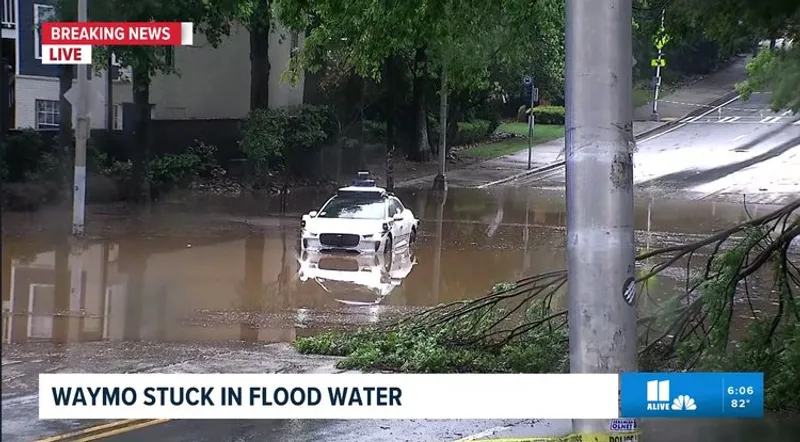
TLDR: ATLANTA—Waymo paused robotaxi service in Atlanta after flooding during intense rain stalled cars and forced recovery without passengers. The company says it had safety measures and NWS alerts but still hit an unexpected flood scenario.
Key Takeaways:
- Waymo runs high volume robotaxi service across multiple US cities, but flash flooding can turn streets into hazards fast.
- After intense, unexpected rain and NWS flash flood warnings, Waymo robotaxis entered flooded roadways, stopped, and were recovered, with no injuries reported.
- The pause highlights a stubborn autonomy problem: estimating real time flood depth and safe routes when flooding arrives quicker than sensors and rules.

Robotaxis can be incredibly careful until the world gets weird. Flash floods do not care that the software is confident, and Atlanta just proved how fast street logic can fail.
Robotaxis can be incredibly careful until the world gets weird. Flash floods do not care that the software is confident, and Atlanta just proved how fast street logic can fail.
Q&A
What kind of system upgrade would let Waymo judge flood safety better than it does now?
Better real time mapping of water depth and road passability using fused sensor data plus faster links to live hydrology and traffic hazard feeds.
Why did Waymo say safety measures did not trigger even with NWS warnings in place?
Warnings can describe a general risk while a vehicle faces a local, rapidly changing depth, so the trigger threshold and the sensed conditions may not have aligned.
What operational changes are most likely during storms besides pausing service?
Pre storm geofencing, automatic stop zones around known low areas, reduced routing speeds, and tighter triggers tied to lane level conditions rather than citywide alerts.
If flooding was the bottleneck, how could regulators or insurers treat robotaxi storm behavior?
Expect stricter documentation of when systems refuse or halt travel during extreme weather, along with performance benchmarks for safe disobedience.
How will this affect public trust when robotaxis are stuck in view for long periods?
Even without injuries, visible stalls can swing sentiment fast, so companies will likely invest in clearer fallback procedures and faster recovery workflows.



No comments yet. Be the first to share your thoughts!