
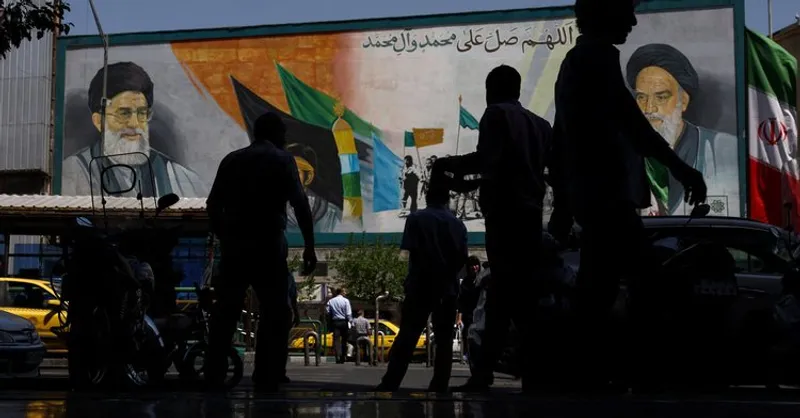
TLDR: DUBAI—US and Israeli pressure may still drive an interim Iran deal. Iran could be economically shattered and militarily degraded, yet Revolutionary Guard power endures.
Key Takeaways:
- The war strategy aimed to weaken Iran comprehensively, but it also reshaped incentives for negotiation.
- Emerging interim outlines suggest economic damage and limits on Iran's military industry, while Revolutionary Guard influence strengthens.
- A partial settlement could stabilize the region short term without changing Iran's internal power structure or long term posture.

Power does not always break when bombs do not fully land. An interim deal can freeze the damage clock while Iran’s hardliners keep rewriting the terms.
Power does not always break when bombs do not fully land. An interim deal can freeze the damage clock while Iran’s hardliners keep rewriting the terms.
Q&A
If Iran remains Revolutionary Guard dominant, what does the interim deal actually prevent?
It likely buys pauses in escalation rather than reshaping Iran’s decision making, reducing near term attack risks while leaving long term strategy intact.
Why would the US and Israel accept an outcome that leaves Iran “battered but unbowed”?
They may prioritize time, battlefield risk reduction, and incremental constraints over a total regime outcome that is politically and operationally harder to achieve.
How does degrading Iran’s military industrial base differ from stopping its weapons efforts?
Industrial damage can slow production and repairs, but leadership, know how, and stockpiles can still sustain capability, keeping pressure on negotiators for further steps.
What happens if Iran uses economic relief to reinforce internal control after an interim deal?
Sanctions relief, even limited, can fund regime priorities and security institutions, potentially deepening hardline dominance even as external pressure eases.
Could today’s interim framework become tomorrow’s trap for all sides?
If each side banked on a final breakthrough that never arrives, negotiations can stall, turning interim terms into permanent dissatisfaction and renewed crisis cycles.




No comments yet. Be the first to share your thoughts!