
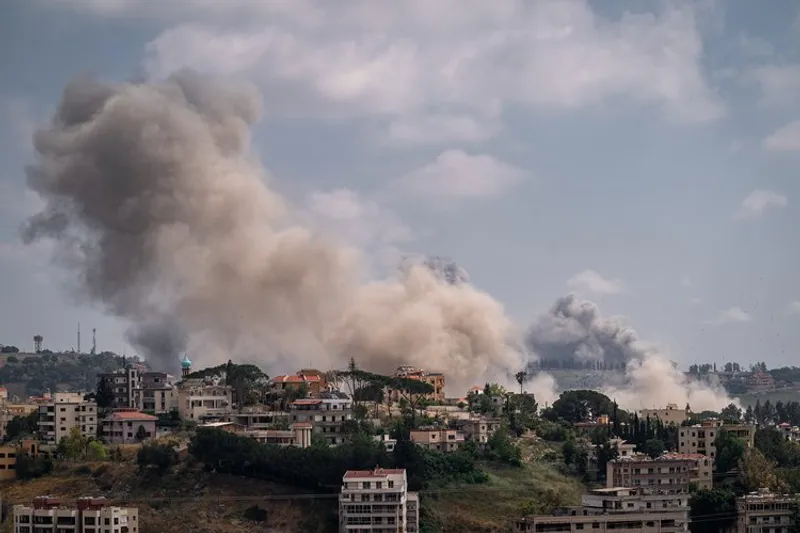
TLDR: A cease fire that began April 8 has reduced fighting between the United States and Iran, and eased combat intensity in Lebanon. Even when Israel Hamas and Israel Hezbollah pauses break fast, they still move hostages, aid, evacuations, and negotiation steps.
Key Takeaways:
- Israel and its adversaries have declared at least seven cease fires since Hamas attacked on Oct 7 2023, including Gaza pauses in 2023 and 2025 and Lebanon pauses in 2024 and 2026.
- The April 8 cease fire cut the intensity of US Iran hostilities and reduced Israel Hezbollah combat in Lebanon, while earlier Gaza deals produced hostage and detainee releases even as fighting resumed quickly.
- Even short, imperfect cease fires can still buy civilian relief and negotiation scaffolding, but repeated breakdowns can erode trust and make future agreements feel like theater.

Cease fires that implode on cue are annoying, but they are not meaningless. They act like pressure valves that let diplomacy and relief do their jobs, even if peace itself keeps dodging the script.
Cease fires that implode on cue are annoying, but they are not meaningless. They act like pressure valves that let diplomacy and relief do their jobs, even if peace itself keeps dodging the script.
Q&A
If cease fires keep collapsing, what incentives could push any party toward a durable deal instead of another pause?
The article argues durable outcomes require more than battlefield fatigue. It points to international pressure shaping behavior, and to the bargaining and reputational benefits created by pauses that can only pay off if parties believe enforcement and monitoring will hold.
How do short cease fires change negotiations when each side expects violations within days or weeks?
The piece frames cease fires as repeated iterations that can reset bargaining baselines. Even with predictable violations, the pauses can still create new entry points for talks, humanitarian logistics, and tactical learning.
Why would Israel and Hezbollah accept a pause that neither side truly expects to last?
The argument links acceptance to intermediate gains: civilian evacuations, aid flows, reorganization time, and political narrative cover. It also notes that Israel sometimes gains diplomatic breathing room while adversaries may use pauses to recover and rebuild.
What makes the US Iran track different from Israel adjacent cease fires, based on the logic in the article?
The article suggests both Washington and Tehran have strong reasons to limit costs. It implies an enduring halt is more achievable when both sides face severe domestic pressures and cannot sustain open ended conflict.
What would success look like if Lebanon wants cease fire arrangements to translate into sovereignty over the south?
It would require sustained international support for Lebanon security institutions, not just a combat pause. The piece ties success to Hezbollah losing its ability to rearm, and to Lebanon gaining enforceable capacity backed by Western partners.



No comments yet. Be the first to share your thoughts!