
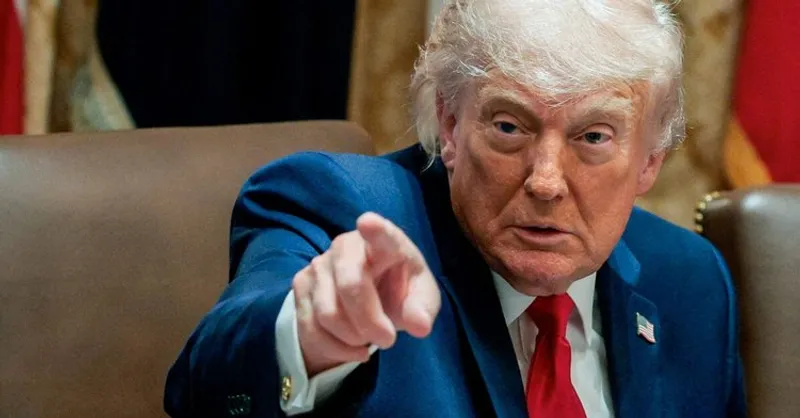
TLDR: WASHINGTON—Trump told a podcast that Iran agreed not to pursue a nuclear weapon, tying the negotiations to the Ayatollah. The claim raises stakes for US-Iran talks and regional security.
Key Takeaways:
- Background: US-Iran nuclear negotiations have long moved through shifting signals, sanctions pressure, and disputed inspections over enrichment limits.
- Main fact: Trump said Iran has agreed not to have a nuclear weapon and that Iran's Ayatollah is involved in negotiations with the United States.
- Meaning: If credible, the statement could reshape negotiating leverage and verification debates, but it also risks backlash if details stay fuzzy.

A big promise, tossed off on a podcast, is a fast way to change the chessboard before the fine print arrives. Now everyone waits to see whether this is diplomacy or just a louder opening move.
A big promise, tossed off on a podcast, is a fast way to change the chessboard before the fine print arrives. Now everyone waits to see whether this is diplomacy or just a louder opening move.
Q&A
If Iran truly agreed to stop nuclear weapon pursuits, what specific mechanism would the US likely demand first
Verification steps such as monitored limits on enrichment, access for inspectors, and a compliance framework that can be tested before any sanctions relief fully lands.
Why does mentioning the Ayatollah matter more than another official in these negotiations
It signals decision level and political buy in, which could speed internal Iranian approvals and reassure the US that concessions have backing, not just messaging.
What happens to leverage in the US Congress and in allied capitals after a public Trump claim
Harder scrutiny usually follows, with lawmakers and partners pushing for timelines and benchmarks, potentially tightening diplomacy or forcing clearer commitments to avoid accusations of overpromising.
How could this kind of statement affect Iran's negotiating strategy even if talks are ongoing
It can raise Iran's stakes by making any future deviation more costly, but it also gives Iran a chance to demand reciprocal steps to match the public headline.
Historically, what failure mode has derailed nuclear restraint deals most often
Disputes over verification and sequencing, where one side seeks immediate relief while the other insists on strict, first, checkable constraints with penalties for noncompliance.




No comments yet. Be the first to share your thoughts!