
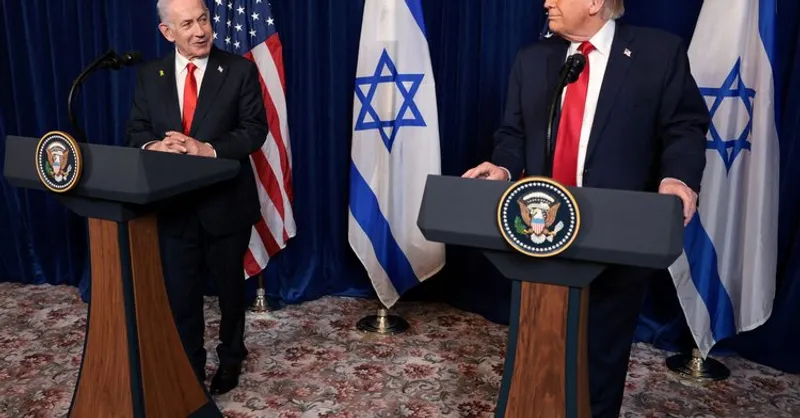
TLDR: WASHINGTON—Trump confirmed he used an expletive to tell Benjamin Netanyahu he was “crazy” during a phone call about fighting in Lebanon, amid US Iran ceasefire talks. The remark underscores rising tension with Israel as Israel and Hezbollah continue exchanging strikes despite a US mediated pause.
Key Takeaways:
- US efforts to broker an end to hostilities have collided with Israel's Lebanon campaign and Iran's demand that any US deal include Lebanon.
- Trump told the Pod Force One podcast he called Netanyahu “effing crazy” on a Monday call and said he and Netanyahu “get along very well.”
- Even when a temporary US mediated de escalation halts some cross border fire, the Trump Israel relationship now runs hot over timing, messaging, and perceived leverage.

Diplomacy often looks polite until the phone call ends. Trump is drawing a hard line on Lebanon while arguing his frustration is not a break with Netanyahu, which likely leaves everyone guessing whose plan actually controls the next move.
Diplomacy often looks polite until the phone call ends. Trump is drawing a hard line on Lebanon while arguing his frustration is not a break with Netanyahu, which likely leaves everyone guessing whose plan actually controls the next move.
Q&A
If Iran keeps linking any ceasefire to Lebanon, what pressure point does the US actually have beyond rhetoric?
The US can tie military and diplomatic support to conditions, but the leverage depends on enforcement tools and how quickly Israel and Hezbollah respond to paused operations.
Why does Trump publicly confirm a private insult rather than soften it, especially during active negotiations?
By admitting the expletive, Trump signals dominance over the agenda and prepares his base to accept tougher constraints on Israel to achieve a regional outcome.
What happens to de escalation agreements when leaders accuse each other of undermining negotiations?
Trust erodes fast, making each side more likely to interpret pauses as tactical cover, which can increase the chance of targeted strikes during the next lull.
Could the Lebanon link in an Iran deal force Israel to adjust tactics even if it keeps rejecting a full ceasefire?
Yes, Israel may recalibrate operations to fit any emerging terms tied to Lebanon, because continued strikes risk widening the diplomatic cost while Iran waits for coverage.
How do past public expletives about Israel affect future private bargaining, if they become a pattern?
Repeated harsh language can harden domestic positions on all sides, turning negotiation into a test of face saving rather than only a test of military or legal terms.


No comments yet. Be the first to share your thoughts!