
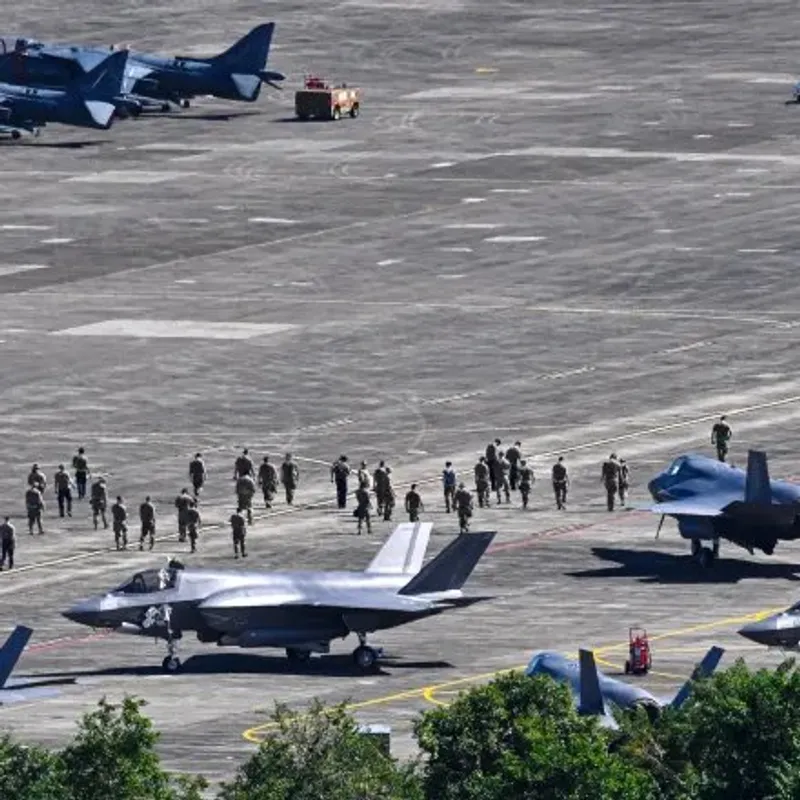
TLDR: WASHINGTON—A new ACLED analysis says Trump’s “Donroe Doctrine” approach is spreading militarized tactics across the Americas, boosting violence, fragmentation, and impunity. Drone attacks in Mexico rose 567 percent from 2023 to 2025 and Colombia jumped 10,600 percent.
Key Takeaways:
- The “Donroe Doctrine” twists the 1823 Monroe Doctrine into a permission slip for aggressive U.S. action that blends diplomacy with military pressure.
- ACLED analysts tie militarized security strategies to counterproductive cartel outcomes, including Ecuador gang growth from 24 in 2023 to 37 by year end.
- Outsized state and remote force can deepen the problem, with projected volatility through the term risking any short lived gains from hardline crackdowns.

When the U.S. leans harder on militarized tools, the immediate targets often drop, but the market for violence usually survives and multiplies. The result is not control, it is acceleration.
When the U.S. leans harder on militarized tools, the immediate targets often drop, but the market for violence usually survives and multiplies. The result is not control, it is acceleration.
Q&A
If militarized pressure increases cartel fragmentation, what would a “success” metric even look like for the next phase?
Policymakers would need to track not just arrests or strikes but sustained reductions in civilian harm, stability of local security forces, and whether violence shifts from mass confrontations to manageable cycles.
Why do drone and remote tactics tend to escalate violence instead of deterring it?
Lower costs for attackers can make retaliation easier to initiate, while victims often feel compelled to respond quickly to maintain legitimacy, driving repeated cycles with fewer direct negotiation channels.
What is the likely political payoff and downside for U.S. leaders when violence rises despite hardline tactics?
Leaders may claim operational momentum, but rising civilian deaths and impunity can undermine local governance credibility and generate backlash that complicates diplomacy and cooperation.
How could cartel competition after a leader removal reshape regional security planning?
Splinter groups can recruit faster, exploit gaps left by decapitation, and compete for diversified revenue streams, forcing security forces to adjust tactics in real time rather than rely on static target lists.
If the Cuban pretext debate intensifies, how might that affect enforcement against transnational trafficking networks tied to cartels?
A widening focus on regime change framing can absorb resources and shift attention, potentially reducing bandwidth for intelligence sharing and coordinated maritime interdiction against criminal networks.



No comments yet. Be the first to share your thoughts!