
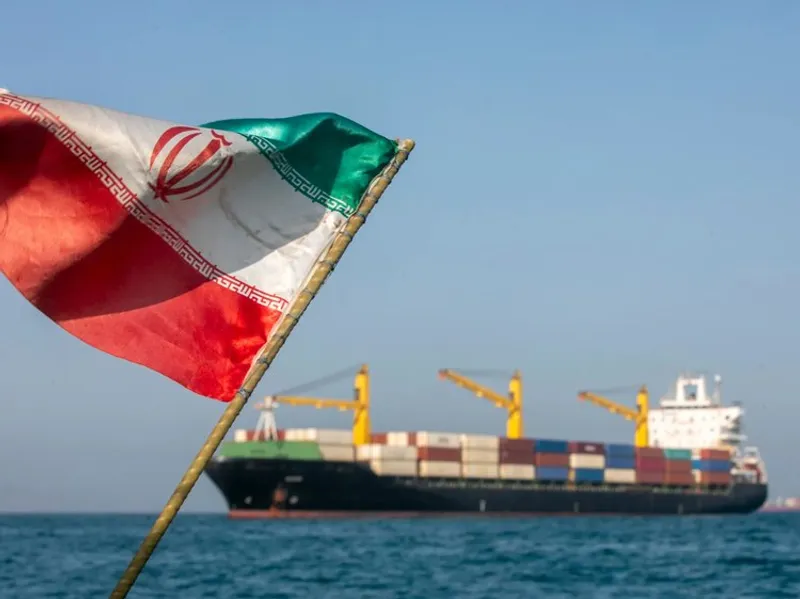
TLDR: TEHRAN—Iran warns of US violations after Hormozgan attacks and a downed RQ 4 drone, as Tehran seeks a US MoM.
Key Takeaways:
- Iran returns from Qatar efforts as it weighs an MoM tied to Strait of Hormuz transit, sanctions access, and nuclear talks.
- The Foreign Ministry cites a US attack on Hormozgan as a “blatant violation,” after IRGC said it shot down a RQ 4 drone using Arash e Kamangir.
- Hardliners fear a deal could buy time for renewed strikes, so the debate inside Tehran now centers on what leverage Iran must keep.
- New fears also target leadership security, as pundits allege renewed operations could invite strikes or a “honeypot” trap.

Suspicion is doing the heavy lifting in Tehran. Even a possible MoM feels like a pause button that hardliners fear could still leave Iran exposed the moment the next crisis starts.
Suspicion is doing the heavy lifting in Tehran. Even a possible MoM feels like a pause button that hardliners fear could still leave Iran exposed the moment the next crisis starts.
Q&A
What would make Tehran treat the memorandum as more than a temporary traffic and security arrangement for Hormuz?
Iran would likely need rapid, verifiable sanctions or asset relief tied to concrete steps, plus language that preserves operational deterrence and nuclear red lines without forcing immediate surrender.
Why do Hormuz and sanctions sequencing alarm Iran’s hardliners more than a headline agreement?
Maritime pressure and staged sanctions relief represent bargaining leverage, so hardliners fear the deal could restructure Iran’s options in future disputes, not just pause conflict now.
How might drone incidents shape the next round of talks even if diplomats keep negotiating?
Technical incidents like a downed RQ 4 can harden domestic narratives and raise retaliation risks, pushing both sides toward tighter rules of engagement or riskier escalation cycles.
If Supreme Leader Ali Khamenei remains out of public view, what does that do to internal decision speed?
Limited access can slow consensus building, weaken negotiator confidence, and force officials to rely on partial guidance, which increases friction during internal approval.
What sign would suggest the next nuclear negotiations could become durable rather than deferred?
Tehran and Washington would need mechanisms that both sides can implement under pressure, with clear verification and sanctions triggers that reduce incentives to wait for the other side to blink.

No comments yet. Be the first to share your thoughts!