
 Trump
Trump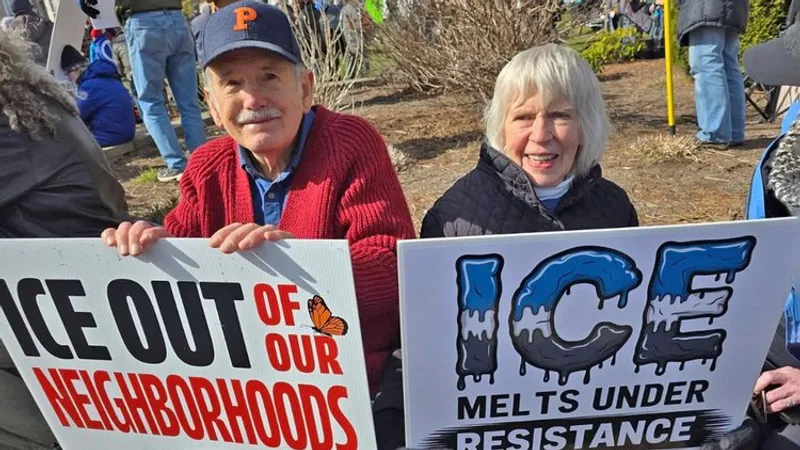
TLDR: A Third Act campaign highlights how retired Americans say Trump era changes on health, civil rights, and public safety are fueling outrage into midterm voting and community action. Seniors cite measles resurgence, rollbacks, and fears of authoritarian tactics, with 54 percent almost certain to vote.
Key Takeaways:
- Third Act organizes Americans over 60 to defend climate and democracy, now spotlighting elders with lived memories from the 1960s and 1970s.
- A New York Times Siena poll shows 46 percent of senior Americans strongly disapprove of Trump, while organizers say 54 percent are almost certain to vote in the fall.
- Outrage turns into a turnout machine: seniors describe renewed health threats, civil rights rollbacks, and intimidating street scenes as reasons to vote.

Third Act is banking on a quiet superpower: elders who remember when government actually fixed problems now refuse to watch it unravel on mute. Their fear looks less like nostalgia and more like a practical plan to make November count.
Third Act is banking on a quiet superpower: elders who remember when government actually fixed problems now refuse to watch it unravel on mute. Their fear looks less like nostalgia and more like a practical plan to make November count.
Q&A
If older voters already feel driven to vote, what would make their participation surge even more?
Targeted mobilization that reduces last mile friction, like rides to polling, clear ballot guidance, and trusted local messengers who match seniors daily routines.
Why do health fears like measles spread tend to energize seniors more than policy debates?
Because illness risks feel immediate and personal, not abstract, and they connect to memories of how vaccines and public health systems protected families.
What happens next if Third Act videos go viral inside retirement communities but not beyond them?
The campaign could still matter by shifting turnout in critical precincts, yet it would likely need broader partnerships to influence younger voters and contested suburban messaging.
How might the contrast between earlier court led change and today’s rollbacks shape elders long term political identity?
It can convert their political memory into sharper expectations: when the law stops enforcing rights, elders may treat voting as defense rather than civic participation.
What counter strategy might the opposition use if seniors become the decisive bloc in midterms?
They may try to blunt credibility by attacking poll results, reframing street safety incidents, or emphasizing cultural issues to split older voters by priority.
Top in Opinion
Fonda driven “No Kings” concert turns Trump birthday into protest
Soliman’s DSA briefing stirs NYC ethics alarm
Pope Leo XIV confronts Spain’s youth pain in Barcelona

Sanders bets on AI sovereign wealth fund, critics balk
No comments yet. Be the first to share your thoughts!