
Pope Leo XIV confronts Spain’s youth pain in Barcelona
 Barcelona
 Associated Press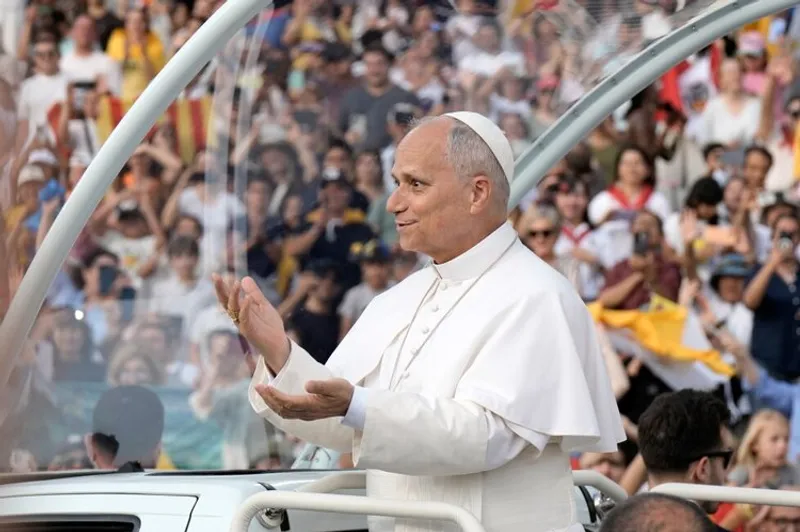
TLDR: BARCELONA—Pope Leo XIV held a youth prayer vigil at Lluis Companys Olympic Stadium in Barcelona for about 40,000 people, after which he addressed depression, domestic violence, and “toxic” family ties. Young attendees shared suicide attempts and abuse, and he called for stronger mental health services and care for victims.
Key Takeaways:
- Spain remains strongly secular after its 20th century shift, yet Leo’s weeklong visit draws huge crowds, including Catalan cultural showcases.
- At a Q and A vigil in Barcelona, young people described depression and domestic violence, including a father’s attempt to kill the mother and juvenile detention years.
- Leo blamed pressure for perfection and argued that improving mental health care and addressing normalized abuse can protect young people from lifelong harm.

It is easier to wave at a crowd than to listen to someone say they tried to die. Leo chose the harder lane, then demanded systems catch up with the stories.
It is easier to wave at a crowd than to listen to someone say they tried to die. Leo chose the harder lane, then demanded systems catch up with the stories.
Q&A
Why does a scripted Vatican Q and A feel different when the guests describe suicide attempts and domestic violence?
Because the format becomes a microphone for lived reality, not a lesson. That shift can pressure institutions to respond beyond words.
What happens if Spain’s mental health and violence services do not expand fast enough after high profile calls like Leo’s?
The rally risks becoming a moment of sympathy without follow through, leaving young people to absorb stigma and wait for care that still feels out of reach.
How does Leo’s Catalan language choice change the message for young people in Barcelona compared with a more generic papal address?
Local language can signal respect for identity and reduce the feeling that faith is being imported, which may make listeners more willing to seek help.
Why might the comparisons on social media Leo referenced be driving interest in faith, even in a country that has steadily secularized?
When online comparison increases pressure, some people look for stable belonging and meaning that platforms cannot provide.
What could the next stop in the visit change after such raw content, especially with the Sagrada Familia inauguration?
A major monument moment can translate private pain into public hope, but it also sets up a test: whether spiritual language leads to concrete support on mental health and safety at home.
Top in Opinion
Trump outrage spurs seniors into midterm action
Fonda driven “No Kings” concert turns Trump birthday into protest
Soliman’s DSA briefing stirs NYC ethics alarm
Sanders bets on AI sovereign wealth fund, critics balk

No comments yet. Be the first to share your thoughts!