
Fonda driven “No Kings” concert turns Trump birthday into protest
 Trump
Trump New York
 First Amendment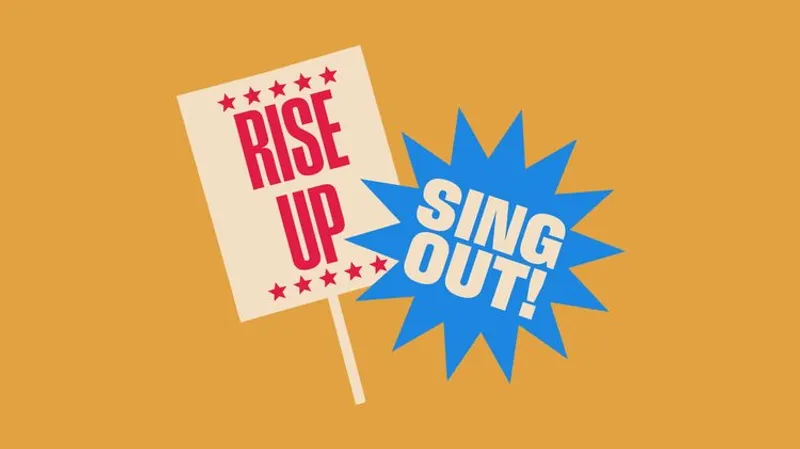
TLDR: NEW YORK CITY—Committee for the First Amendment stages “Rise Up, Sing Out” June 14 at Town Hall, 7:30 p.m. ET, counter programming Trump’s 80th birthday with speeches and performances and 500 nationwide watch parties.
Key Takeaways:
- The Committee for the First Amendment revives anti repression organizing first shaped during the McCarthy Era, now built for home and neighborhood viewing.
- Speakers and performers include Jane Fonda, Bette Midler, Patti Smith, Rufus Wainwright, and Sasha Allen, plus Indivisible and No Kings community events in homes and businesses.
- By turning protest into local gatherings and streaming watch parties, organizers aim to deepen pro democracy participation beyond street marches.

Trump’s 80th birthday gets a spectacle on the White House grounds, while artists push a different kind of spotlight into living rooms. The message is simple: protest is quieter, but it spreads.
Trump’s 80th birthday gets a spectacle on the White House grounds, while artists push a different kind of spotlight into living rooms. The message is simple: protest is quieter, but it spreads.
Q&A
How does a music centered event change what “resistance” looks like compared with street rallies?
It lowers the risk of participation, invites people who do not protest in public, and makes organizing feel social and repeatable rather than confrontational.
Why do organizers emphasize free speech and assembly instead of focusing only on Trump personally?
They frame opposition as a rights issue that can outlast any single leader, helping supporters build a longer campaign with broader allies.
What does the shift to neighborhood watch parties suggest about future protest strategy?
Movement leaders appear to be hedging against burnout by distributing momentum across community hubs, which can keep engagement alive after the main event.
How could the concert’s celebrity lineup affect mainstream media coverage and public perception?
High profile artists can pull coverage toward messaging and away from disruption narratives, potentially reaching audiences who tune out protest headlines.
What does the committee’s McCarthy Era history imply about today’s government and industry pressures?
It signals that organizers expect intimidation to come through policy, leverage, and gatekeepers, not only through direct bans or arrests.


No comments yet. Be the first to share your thoughts!