
 Trump
Trump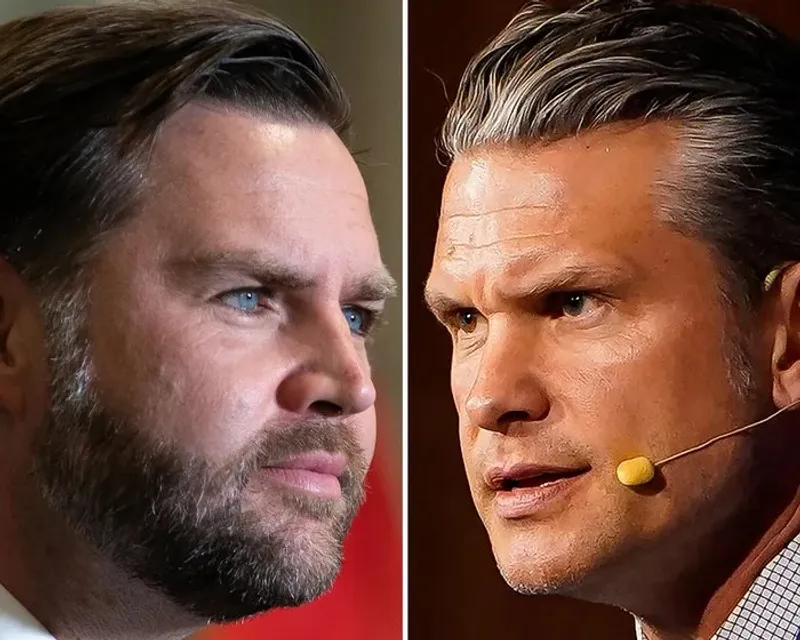
TLDR: LONDON—Marina Hyde argues the Trump White House lawn should host cage fighting, pitching JD Vance and Pete Hegseth as rivals for favor. She also highlights a London embassy notice about not banning social media for under 16s and criticizes Hegseth’s D-Day remarks attacking Europe.
Key Takeaways:
- Context centers on Trump administration cultural and policy messaging, with the US Embassy in London advising the UK about under 16s and social media.
- Hyde pairs Vance and Hegseth as competing “favorites,” then cites Hegseth’s Normandy D-Day address shifting into scathing claims about European ideologies.
- The piece frames the administration’s overseas lectures as one sided, arguing child safety and international diplomacy get reduced to performative fights.

Hyde treats politics like gladiator entertainment because the administration keeps presenting itself that way. When foreign policy and child safety blur into spectacle, the audience is left doing the thinking.
Hyde treats politics like gladiator entertainment because the administration keeps presenting itself that way. When foreign policy and child safety blur into spectacle, the audience is left doing the thinking.
Q&A
If the US Embassy advises the UK against restricting social media for under 16s, what test should the UK apply to decide whether to listen?
It should ask for specific evidence, independent assessments, and clear benchmarks on safety outcomes, then compare those against UK child protection data rather than relying on diplomatic pressure.
Why does Hyde connect child safety messaging to firearms deaths, and what does that rhetorical move signal about accountability?
It signals that moral authority claims ring hollow when the same government ecosystem tolerates lethal outcomes for young people, raising the standard from vibes to measurable harm.
What happens next if internal White House rivalries become the dominant storyline in foreign policy speeches?
Allied audiences may start treating declarations as intra US signaling, not strategy, which can weaken trust and complicate coordination during crises.
How does Hegseth’s D-Day podium shift change the meaning of commemoration for European listeners?
It can turn remembrance into a platform for blame, pushing grieving symbolism into a debate about ideologies and inviting resentment rather than solidarity.
What precedent exists for administrations using performative conflict language, and how does it usually end?
Historically, high spectacle politics can energize supporters but also harden opposition, making governance harder and raising the risk that negotiations get replaced by signaling.
Top in Opinion

Sanders bets on AI sovereign wealth fund, critics balk

Trump’s vendetta pressures SPLC through unchecked criminal claims

Robert Coles death spotlights empathy, not slogans
Stephen Walt targets blame dodging after foreign policy failures
No comments yet. Be the first to share your thoughts!