
Trump’s vendetta pressures SPLC through unchecked criminal claims
 Trump
Trump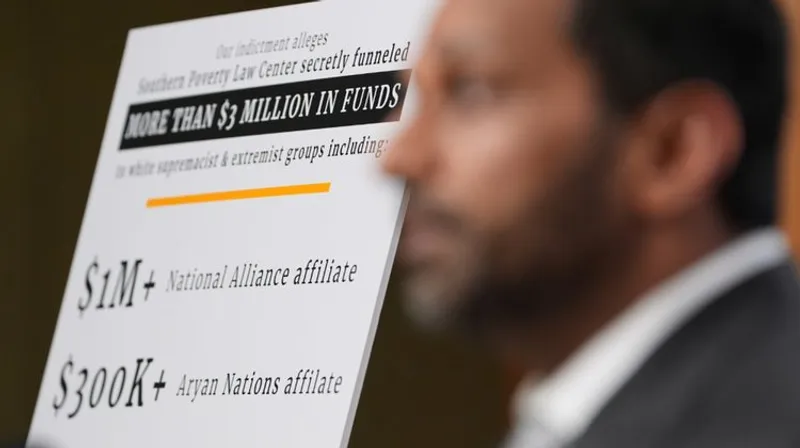
TLDR: The Hill reports Trump has repeatedly branded critics and groups like the Southern Poverty Law Center as criminals to be prosecuted. The claim matters because it amplifies baseless accusations that can endanger public trust and civil rights work.
Key Takeaways:
- Background: Trump has long framed opponents as threats, using prosecutorial language aimed at groups tied to civil rights and activism.
- Main fact: Trump’s latest push links the Southern Poverty Law Center to criminal wrongdoing, despite the accusations lacking support.
- Meaning: When political figures insist on criminal narratives without proof, the blowback can hit targets, donors, and courts, not just opponents.

It is a familiar move: turn disagreement into alleged wrongdoing and let the audience do the prosecution. The cost lands on organizations that actually build legal and community help.
It is a familiar move: turn disagreement into alleged wrongdoing and let the audience do the prosecution. The cost lands on organizations that actually build legal and community help.
Q&A
What is the real endgame when political messaging repeatedly points to prosecution without evidence?
It can pressure prosecutors and agencies indirectly, reshape voter perceptions, and create political momentum, even before any real legal record exists.
How do claims targeting civil rights groups differ from attacks on mainstream media or politicians?
Those claims can directly chill advocacy, funding, and participation, because supporters fear scrutiny, backlash, or reputational risk.
Why do baseless accusations sometimes persist even after debunking?
The initial outrage cycle rewards certainty, while corrections are slower, less emotional, and often forgotten once a new headline takes over.
What legal or institutional checks could matter most next in this pattern?
Independent fact finding, court challenges, defamation exposure where applicable, and clearer standards around official government referrals.
Historically, what happens when rhetoric treats advocacy groups like criminal networks?
Past crackdowns often start with labeling and escalation, then move to surveillance, regulatory pressure, or selective enforcement, especially in polarized periods.
Top in Opinion

Sanders bets on AI sovereign wealth fund, critics balk

Trump’s White House lawn turns into Hyde’s cage ring

Robert Coles death spotlights empathy, not slogans
Stephen Walt targets blame dodging after foreign policy failures
No comments yet. Be the first to share your thoughts!