
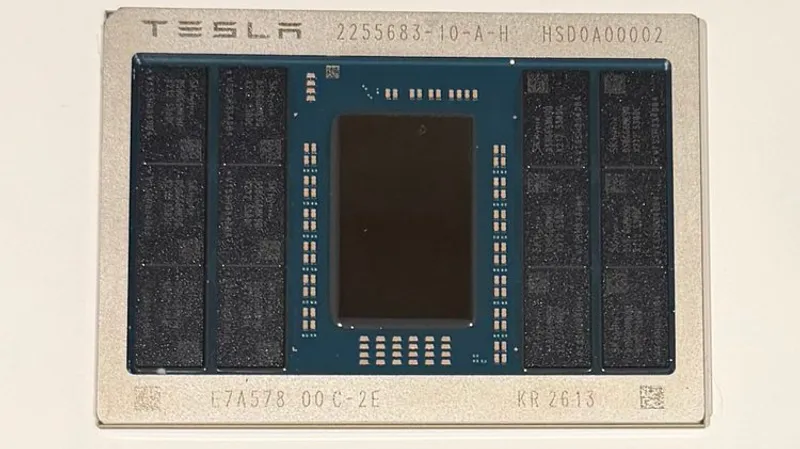
TLDR: TEXAS—SpaceX told investors in its Form S 1 that orbital AI at scale depends on “significantly more” AI chips than it can currently access, with GPU supply constrained. It also warns TeraFab in Texas using Intel 14A may fail, and Tesla and Intel can leave without obligation, even as chip shortages and qualified supplier limits persist.
Key Takeaways:
- SpaceX and xAI face a compute crunch as advanced GPU supply stays tight amid fab capacity shortages and geopolitical and weather risks.
- In Form S 1, SpaceX said it lacks enough AI chips for orbital AI at scale and buys GPUs on a purchase order basis.
- TeraFab could ease shortages, but the filing cautions Intel and Tesla may exit and the project may miss timelines or fail, leaving SpaceX exposed.

The big irony is that SpaceX already treats hardware like destiny, but its own IPO paperwork admits the real bottleneck is what it cannot source. “TeraFab” sounds bold, yet the filing makes room for a quieter possibility: orbital AI might wait for supply to catch up.
The big irony is that SpaceX already treats hardware like destiny, but its own IPO paperwork admits the real bottleneck is what it cannot source. “TeraFab” sounds bold, yet the filing makes room for a quieter possibility: orbital AI might wait for supply to catch up.
Q&A
What happens if SpaceX cannot secure enough GPUs even after TeraFab starts construction?
SpaceX may have to slow orbital AI deployment timelines or limit compute intensive features, since the filing ties “orbital AI at scale” directly to chip availability.
Why does relying on purchase order GPU sourcing increase risk beyond price or delivery delays?
Purchase order procurement without long term contracts makes it harder to guarantee access during peak demand, because qualified suppliers can allocate capacity elsewhere.
How does TSMC’s AI chip constraint likely ripple into SpaceX even if TeraFab exists?
Even with internal production plans, SpaceX still expects to keep sourcing “a significant portion” from third parties, so external constraint can remain a factor.
What does “Intel 14A” suggest about TeraFab’s competitive advantage and urgency?
Using a specific Intel process implies a defined manufacturing path, but the S 1 warning that the project may not succeed raises the stakes if the process timing or performance does not match needs.
Why include a risk that Tesla and Intel might leave if a framework agreement exists?
Because the filing draws a legal line: a framework agreement does not guarantee definitive commitments, so customer and technology support can evaporate before chip production becomes viable.
Top in AI
Brockovich crowdsources AI data center map amid local pushback

Google AI Overviews trips on spelling again, users pounce

Jensen Huang pushes Nvidia investment to Taiwan’s AI epicenter

Developers hit AI answer loops on GitHub and beyond

No comments yet. Be the first to share your thoughts!