
 AI
AI OpenAI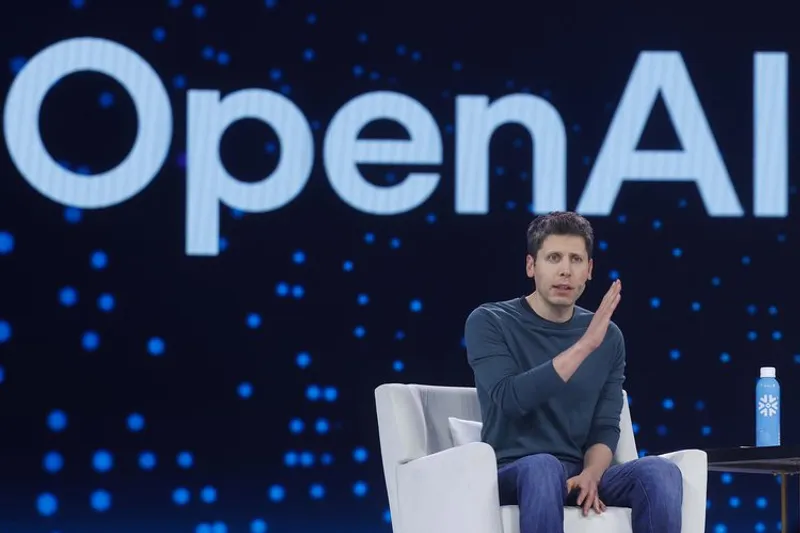
TLDR: OpenAI filed a confidential S-1 for an IPO, a week after Anthropic did, signaling public market ambitions even though timing is still undecided. The move intensifies the AI investment race and affects founders, investors, employees, and retail buyers as OpenAI weighs going public versus remaining private.
Key Takeaways:
- OpenAI recently boosted its scale after raising $122 billion in March at a $852 billion valuation, paying for AI models plus data centers and cloud capacity.
- OpenAI said it submitted a confidential S-1 and has not picked timing, while Anthropic filed for a public offering on June 1.
- The IPO filings push OpenAI and Anthropic toward mega IPO territory after SpaceXs expected trillion dollar deal, raising pressure to grow fast and win trust.

OpenAI wants the option, not the calendar. In an AI arms race where everyone is monetizing scale, a public filing is less about pride and more about ammunition and credibility.
OpenAI wants the option, not the calendar. In an AI arms race where everyone is monetizing scale, a public filing is less about pride and more about ammunition and credibility.
Q&A
If OpenAI keeps delaying IPO timing, what leverage does a confidential S-1 still give it in negotiations with investors and partners?
The S-1 can strengthen OpenAI bargaining power by signaling a near term liquidity path, while still letting it choose a market moment that matches growth, margins, and regulatory comfort.
How could OpenAIs decision to reserve shares for retail investors shape the companys long term shareholder base and PR challenges?
A retail slice can broaden ownership and demand clearer guidance, but it also increases pressure when results swing and amplifies scrutiny of risks tied to AI safety and youth usage.
Why does the company frame going public as easier when private, despite already having a cash heavy strategy?
Public markets add disclosure and governance constraints that can complicate fast research pivots, while private status can reduce timing and messaging pressure as models and infrastructure evolve.
What does the OpenAI versus Anthropic sequence suggest about how AI startups manage fundraising saturation versus capital markets attention?
Filing soon after a rival signals that once scale becomes expensive, the next move is liquidity and credibility, not just private funding rounds.
If public IPO pressure arrives alongside ongoing legal and safety claims, how might that affect product roadmap priorities?
Executives may emphasize trust building, monitoring, and guardrails more visibly, because public investors tend to price regulatory and reputational risk into valuations.
Top in Opinion

Soliman’s DSA briefing stirs NYC ethics alarm

Pope Leo XIV confronts Spain’s youth pain in Barcelona

Sanders bets on AI sovereign wealth fund, critics balk

Trump’s White House lawn turns into Hyde’s cage ring

No comments yet. Be the first to share your thoughts!