
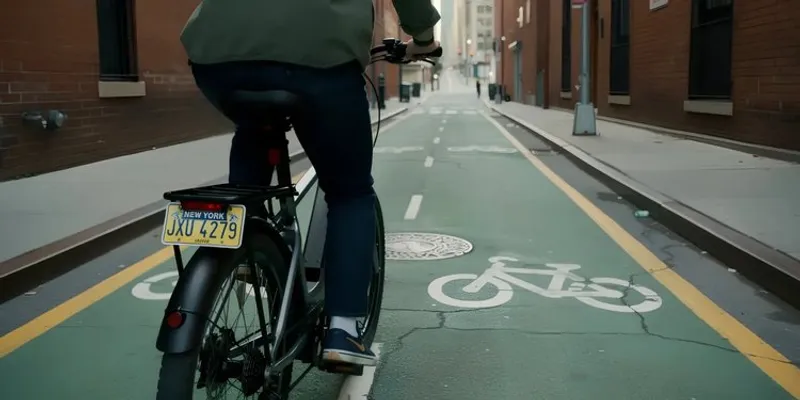
TLDR: NEW YORK—New York lawmakers delayed e-bike registration rules until 2027 after a late budget pushed transport bills aside, leaving enforcement tools unchanged.
Key Takeaways:
- Lawmakers sought e-bike registration and even licensing as ridership surged, with crossings over East River bridges nearing 29,000 daily and delivery jobs rising.
- Assemblyman Bill Magnarelli blamed the late budget process for shelving major registration proposals this year, with a likely return in 2027.
- Registration advocates want stronger accountability as use expands, while critics argue sidewalk riding and red light violations are already illegal and need enforcement, not paperwork.

The loudest demand for order met the state budget clock, and the micromobility fight just got punted. For riders, it means fewer new rules now, but the pressure to enforce will not disappear.
The loudest demand for order met the state budget clock, and the micromobility fight just got punted. For riders, it means fewer new rules now, but the pressure to enforce will not disappear.
Q&A
If New York delays registration until 2027, what enforcement path remains the most realistic this year?
Police and regulators can lean on existing rules already banning sidewalk riding, red light running, and high speed illegal devices, focusing on citations and targeted sweeps rather than new bike identification systems.
Why does registration sound simple, yet enforcement often proves harder than lawmakers expect?
Without a reliable way to identify riders and bikes consistently in the field, registration can become paper compliance. Critics expect offenders to keep blending in, while compliant riders carry extra friction.
Could New Jersey’s registration and licensing rollout act as a test case for New York?
Yes. If New Jersey shows measurable reductions in reckless sidewalk riding and illegal high speed use, New York can point to results. If it mostly adds bureaucracy, critics will press New York to reverse course.
How might delivery worker reliance on e-bikes shape the politics of new regulation?
When tens of thousands of riders depend on e bikes for income, lawmakers face a harder balancing act: curb dangerous behavior without unintentionally raising costs or operational risk for workers.
What signals would likely restart the push for registration after 2027?
Escalating crash data, clearer evidence that current laws are not being enforced effectively, or public pressure following high profile incidents could bring registration back as the next lever.




No comments yet. Be the first to share your thoughts!