
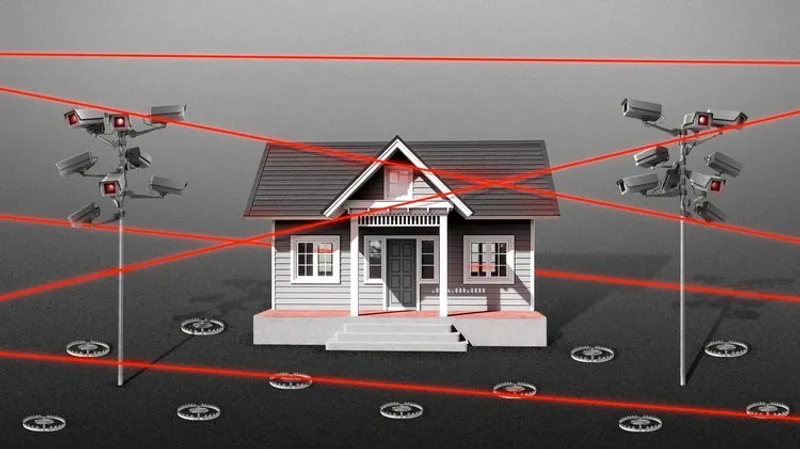
TLDR: ANN ARBOR, Mich.—Neighborhood watch programs are fading as Ring and Nextdoor shift safety from face to face to screen based alerts, thinning community trust.
Key Takeaways:
- Neighborhood watch grew from community policing in the late 1960s and spread nationwide after the National Sheriffs' Association formalized it in 1972.
- Ann Arbor, Michigan removed more than 600 watch signs after officials linked them to racial profiling and exclusion, while neighbors increasingly post AI and app alerts.
- The tradeoff is faster case work from video and AI versus weaker collective efficacy, since people no longer need to know neighbors to report “suspicious” activity.

Safety tech is getting better at footage and pattern matching, but it is quietly replacing the human glue that made neighbors notice and help each other.
Safety tech is getting better at footage and pattern matching, but it is quietly replacing the human glue that made neighbors notice and help each other.
Q&A
What happens to informal safety networks if block captains and porch conversations keep disappearing?
Those networks often handle early warnings, check ins, and context that apps cannot see, so crises get detected later and misunderstandings spread faster.
Why do AI enhanced surveillance systems reduce community trust even when they help solve crimes?
They relocate authority from relationships to data, so residents experience surveillance as monitoring rather than partnership.
Could privacy safeguards slow the shift from watch signs to screen based alerts?
Limits on data retention, clearer consent rules, and audit trails can curb misuse, but they do not rebuild the personal knowledge apps replace.
How does algorithmic amplification on Nextdoor change the “suspicious stranger” problem?
Engagement driven feeds can magnify bias and misinformation, turning one person’s fear into a community wide signal.
If younger adults opt out of volunteer watch roles, what would a modern version of collective efficacy require?
It would need structured, human connection like neighborhood responders and facilitated meetings, not just posting alerts and reviewing footage.





No comments yet. Be the first to share your thoughts!