
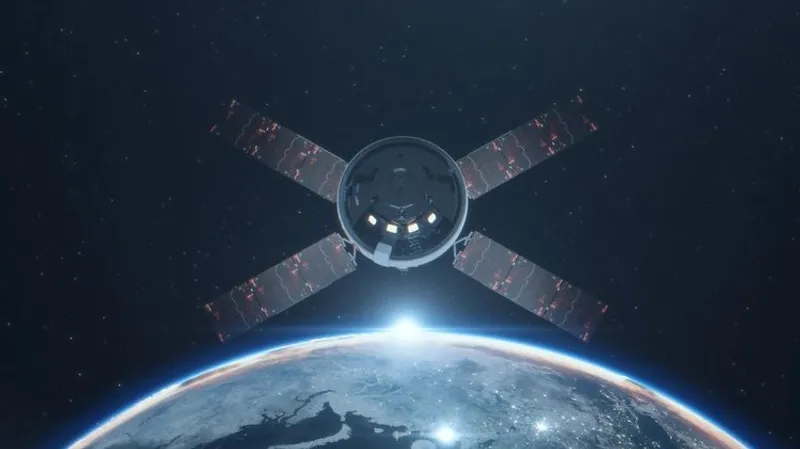
TLDR: HOUSTON—NASA will reveal the four person Artemis 3 crew on June 9 at 11 a.m. EDT in Houston, and share an Artemis 3 progress update. The mission will rehearse Earth orbit rendezvous and docking that Artemis 4 can use for a planned lunar landing.
Key Takeaways:
- Artemis 3 shifts focus to docking and rendezvous in Earth orbit to de risk the later moon landing plan.
- NASA holds the Artemis 3 crew reveal June 9 at Johnson Space Center, starting 11 a.m. EDT, with a mission progress update.
- Artemis 4 remains targeted for late 2028 near the lunar south pole, and NASA is steering major hardware contracts and a larger surface base.
- NASA is building a moon base concept spanning hundreds of square miles, tied to rover, lunar lander, and vehicle contract work.

Space politics love a countdown, but Artemis 3 is less about flash and more about proving two spacecraft can meet and link reliably. The June 9 crew reveal will feel like page one, while the real pressure test shows up in how Orion and the lunar landers practice together.
Space politics love a countdown, but Artemis 3 is less about flash and more about proving two spacecraft can meet and link reliably. The June 9 crew reveal will feel like page one, while the real pressure test shows up in how Orion and the lunar landers practice together.
Q&A
Why does Artemis 3 emphasize Earth orbit rendezvous and docking instead of going straight to the Moon?
NASA is trying to iron out the hardest integration risks first, so later lunar lander hardware and Orion operations do not compound surprises at the worst time.
What will observers look for during the June 9 progress update that matters for Artemis 4?
Details on Orion readiness, docking targets and timelines, and how contractors are converging on hardware that must work together, not just individually.
If Artemis 3 practices docking with Starship, Blue Moon, or both, how could that change expectations for Artemis 4?
Using one vehicle can validate a specific set of interfaces and procedures, while testing both would broaden confidence but also raise coordination complexity.
How does a planned moon base spanning hundreds of square miles affect near term mission decisions?
A bigger surface footprint increases demand for dependable transport, power, and logistics, pushing NASA to prioritize scalable hardware over one off capability.
What historical pattern does Artemis follow when crew milestones arrive about a year before launch?
That timing mirrors past human space programs where crew confirmation helps lock training, safety planning, and integration schedules well before countdown day.




No comments yet. Be the first to share your thoughts!