
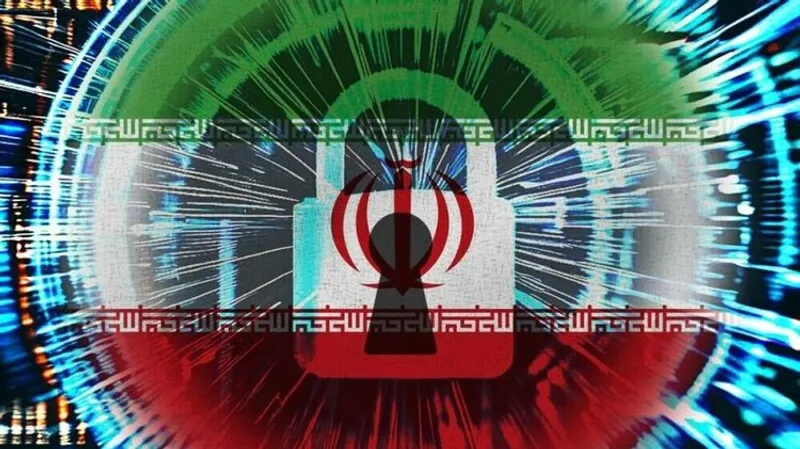
TLDR: TEHRAN—Iran started reconnecting to the global internet after an 88 day disruption after February attacks, restoring traffic seen by NetBlocks and Cloudflare. The government frames it as security and promises streamlined smart services, while whitelisting and content filtering appear to persist, including WhatsApp access limits.
Key Takeaways:
- Iran’s internet access collapsed after February US and Israel attacks, falling to about one percent of normal, likely via a government controlled whitelist.
- Vice President Mohammad Reza Aref posted on X that the first step toward regulated access was taken; NetBlocks and Cloudflare recorded major traffic returns for the first time in 88 days.
- Analysts warn this is a tiered internet: selective access for favored users with continued filtering, and NetBlocks reports WhatsApp restrictions remain, shaping what citizens can communicate.

It looks like Iran flipped the internet back on, but not like turning on a light switch. The signals returning come with gates, filters, and app specific limits, so the world gets traffic, not total access.
It looks like Iran flipped the internet back on, but not like turning on a light switch. The signals returning come with gates, filters, and app specific limits, so the world gets traffic, not total access.
Q&A
If whitelisting stays in place, how will ordinary people notice change versus favored users?
They may see more services load for a subset of sites or apps while messaging, media, and social platforms remain throttled or inconsistent, especially if policies restrict routes and protocols used by broader audiences.
What pressures could have pushed Iranian decision makers to restart connectivity after 88 days?
Economic costs, service reliability for government systems, pressure from elites and universities, and operational needs for commerce and administration often drive reconnection even when security concerns remain.
Why does an internet reconnection raise cyber risk even if the government calls it security focused?
Any expanded external connectivity widens the attack surface for malware, credential theft, and intrusion attempts, so governments frequently pair reconnection with filtering and selective routing rather than full openness.
How does this shutdown compare with Libya’s 2011 outage in real world impact?
Analysts say Iran’s larger population makes the disruption far more consequential, and tiered access can also distort information flows by controlling who can reach which parts of the internet.
What would count as a meaningful next step beyond the current staged return?
A shift from selective access toward broader, stable routing and fewer app specific blocks, alongside reductions in content filtering, would be the clearest signal that reconnection is not just operational triage.





No comments yet. Be the first to share your thoughts!