
Chevron turns California governor race into refinery leverage contest
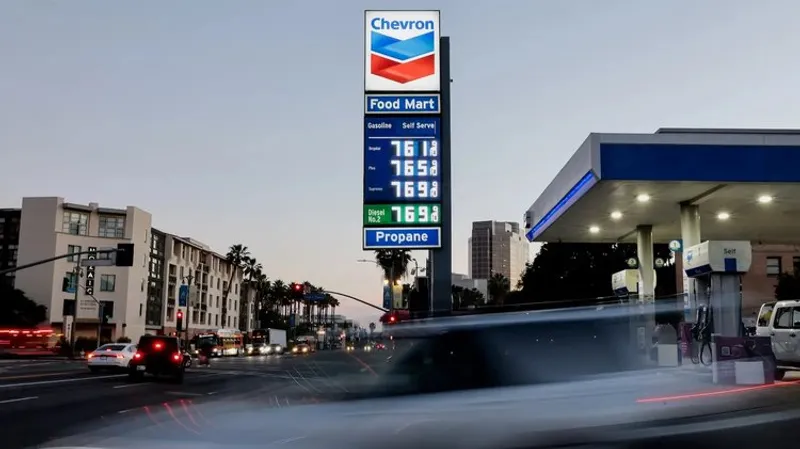
TLDR: CALIFORNIA—Chevron became the flashpoint of the California governor primary, after Xavier Becerra said “I need Chevron” during a campaign question. The line spread in attack videos as Chevron pushed back on refinery rules that could reshape California fuel supply ahead of the June 2 primary.
Key Takeaways:
- Chevron dominates California fuel: it owns two refineries making about one third of in state production, while the state consumes about 13 billion gallons yearly.
- Becerra told an interviewer “I need Chevron” after questions about contributions; Chevron later gave $39,200 plus $500,000 to a Becerra aligned committee.
- Regulators and lawmakers face a tightrope: moving too fast risks gasoline shortages and price spikes, moving too slowly risks locking in pollution and deepening climate costs.

The strangest part is how “I need Chevron” doubles as both a campaign tactic and a supply chain reality check. California wants clean air fast, but drivers still need gasoline this quarter.
The strangest part is how “I need Chevron” doubles as both a campaign tactic and a supply chain reality check. California wants clean air fast, but drivers still need gasoline this quarter.
Q&A
If Chevron and other refiners keep signaling they might leave, what pressure will the next governor face first
Maintaining refinery runs and crude supply for California’s already tight transition, because losing refining capacity quickly hits both prices and availability.
Why does the “mystery gasoline surcharge” matter for campaign rhetoric beyond policy debates
It gives voters a lived explanation for higher prices, which makes “market power” claims politically sticky even when climate messaging fades.
How could the June 2 jungle primary shape donor decisions and messaging in the general election
Candidates who look likely to face a rival from the other party may attract more industry money while sharpening attacks on who can keep energy “affordable, reliable, and fair.”
What happens to refinery rules if the next governor chooses conciliation over enforcement
The state may slow profit caps or widen allowances under cap and trade, trading short term pricing relief and capacity stability for slower reductions in emissions incentives.
Why might state planning ideas like “legal obligations to operate” become more realistic as EV adoption accelerates
As demand shrinks, purely market based shutdowns get harsher consequences, pushing California toward coordinating closures or taking a greater operational role to prevent crisis driven spikes.


No comments yet. Be the first to share your thoughts!