
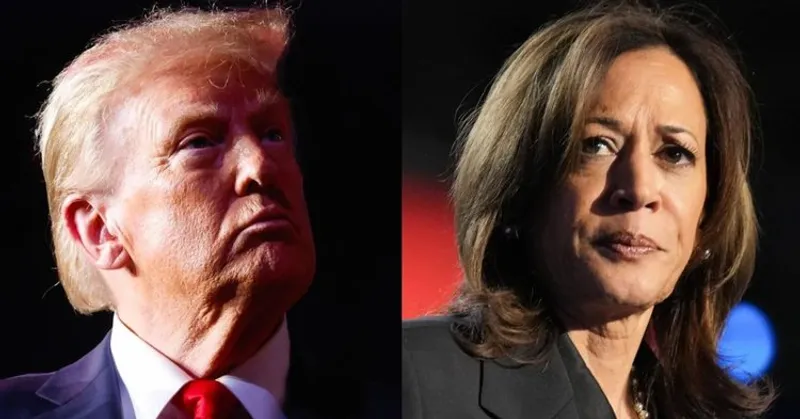
TLDR: NATIONAL—A UnidosUS poll of 3,000 Latino registered voters finds 54% back Democrats for the House, while 27% choose Republicans. Trump lost Latino ground since 2024, yet Democrats risk weak motivation and Republicans still compete in battleground states like Florida, Texas, and Arizona.
Key Takeaways:
- Latino voters head into the 2026 midterms worried about affordability and the economy, with skepticism rising toward the direction of the country.
- Trump gets disapproval from 67% of Latino voters, while 1 in 4 Trump 2024 supporters say they would not vote for him again.
- Democrats lead on House voting intentions at 54% to 27%, but only 31% of Hispanic Democrats feel motivated to vote for their own candidates.

Latino voters sound like they are doing the spreadsheet math in real time. Republicans may keep breathing room, but both parties should fear the same thing: low trust plus high stakes.
Latino voters sound like they are doing the spreadsheet math in real time. Republicans may keep breathing room, but both parties should fear the same thing: low trust plus high stakes.
Q&A
If 19% of Latino voters remain undecided, what campaign message is most likely to flip them in September and October?
Pocketbook promises tied to cost of living and jobs, paired with a credible, human approach to immigration security, are the most consistent levers in the poll’s priority stack.
How could the 31% motivation rate among Hispanic Democrats reshape down ballot outcomes even if party preference holds?
Low candidate focused motivation can turn preference into non participation, shrinking margins in House districts where turnout efficiency often decides close races.
Why does a slide in Trump support not automatically strengthen Democrats across every state listed?
Because Democrats also face underperformance versus 2024 among Latinos, and because Republican enthusiasm remains higher, so the change can cut both ways.
What does Texas data suggest about the limits of assuming demographic trends will stay predictable?
It points to responsiveness: border and enforcement experiences can accelerate reversals when voters feel promises fail, making local turnout operations crucial.
If immigration fears drive support for legal status and opposition to unconditional enforcement funding, what policy framing will matter more than rhetoric?
Voters appear to reward concrete boundaries and due process language, since fear of harassment or arrest can outweigh abstract debates about enforcement intensity.

No comments yet. Be the first to share your thoughts!