
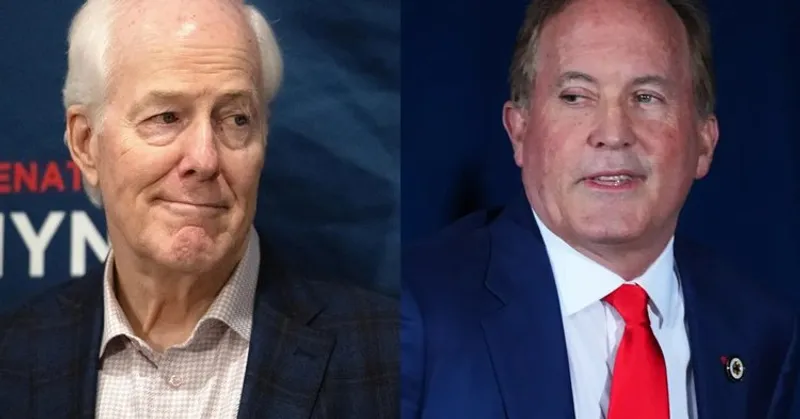
TLDR: TEXAS—Ken Paxton won the Texas GOP U.S. Senate primary runoff over John Cornyn, about 64 percent to 36 percent, after Donald Trump’s endorsement. The loss ends Cornyn’s bid and puts Paxton against Democrat James Talarico in a potentially closer November race.
Key Takeaways:
- Texas Republicans staged a high stakes GOP runoff after months of Cornyn trying to align with Trump while donors and party leaders leaned his way.
- Paxton beat Cornyn by roughly 28 points, and he called Trump’s endorsement “the most powerful force in politics,” while Cornyn said “Tonight, we’ve come up short.”
- Democrats see an opening as the Cook Political Report moved Texas toward a tighter contest, but Paxton’s legal baggage could decide whether anti establishment energy helps him win.

Texas just handed its Senate nomination to a candidate built for conflict, and Democrats are already counting the next fight. Cornyn’s problem was not voting for the president, it was waiting too long.
Texas just handed its Senate nomination to a candidate built for conflict, and Democrats are already counting the next fight. Cornyn’s problem was not voting for the president, it was waiting too long.
Q&A
If Paxton is seen as too polarizing, what could still keep Democrats from flipping the seat in November?
Paxton faces legal and corruption narratives, but Texas down ballot strength and Democratic turnout bottlenecks can blunt the impact of that criticism, even in tighter race conditions.
What does Cornyn’s defeat suggest about how Texas Republicans interpret presidential loyalty?
It signals that alignment is no longer judged only by votes, but by timing and personal endorsement from Donald Trump, which can override seniority and traditional establishment standing.
How might Paxton’s own message discipline shift now that he has a general election target?
Expect him to lean harder into corruption contrast framing against Talarico while wrapping himself tighter in MAGA messaging to prevent primary style attacks from feeling out of place in November.
Why did Democrats treat demographic change as a strategy, not just a background fact?
They are using growth among Hispanic, Asian, and multiracial communities to argue the coalition can hold together long enough to win persuasion and turnout in a Senate level race.
How could the national pattern of Trump backed primary wins change Republican planning for 2026 midterms?
It pushes Republicans to invest earlier in voter bases energized by Trump, while also forcing them to address whether candidates with legal controversies can survive the broader general election spotlight.





No comments yet. Be the first to share your thoughts!