
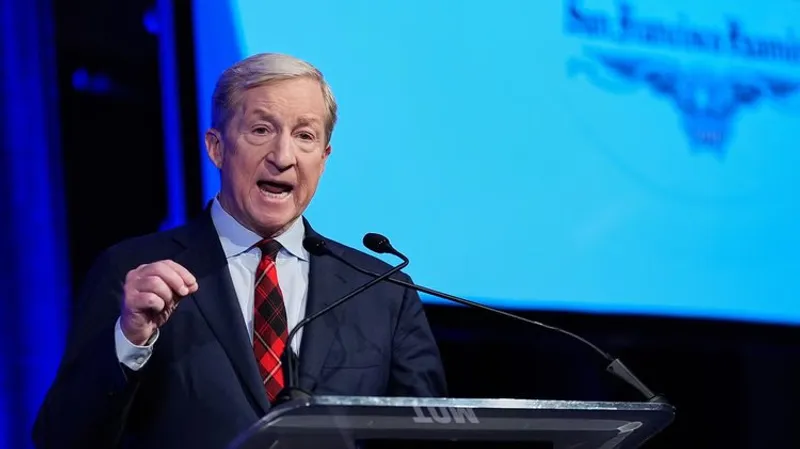
TLDR: CALIFORNIA—Billionaire Democrat Tom Steyer has booked over $195 million in California governor ads, dwarfing Xavier Becerra, intensifying criticism that he is trying to buy power. The ad surge feeds a close June 2 top two primary and shapes who can fight back with visibility as mail voting begins.
Key Takeaways:
- Steyer is a longtime liberal donor and activist with no elected office, entering a crowded California governor field with a June 2 top two primary.
- AdImpact says Steyer booked more than $195 million, over 20 times Xavier Becerra’s total, while Katie Porter attacks him as spending personal wealth.
- Money may buy attention faster than votes, and California voters still weigh homelessness, wildfire insurance shortages, and housing costs.

Steyer’s ad blitz turns a policy contest into a volume contest, and Becerra is stuck trying to outtalk a megaphone. In California, where everyday bills already sting, staying visible may matter as much as staying right.
Steyer’s ad blitz turns a policy contest into a volume contest, and Becerra is stuck trying to outtalk a megaphone. In California, where everyday bills already sting, staying visible may matter as much as staying right.
Q&A
If Steyer’s ad dominance fails to win momentum, what comes next for Becerra’s strategy in the final stretch?
Becerra can narrow the contrast with sharper message discipline, target specific voter concerns on broadcast and digital, and lean on surrogate turnout to close name recognition gaps where ads built awareness but not persuasion.
Why does the top two primary system make spending advantages feel bigger than in single party contests?
Because all candidates compete on one ballot, visibility can boost both base and crossover perceptions. A large ad footprint may help a campaign secure one of the two advancing slots even if it never locks a majority.
How might Steyer’s ad intensity affect voter trust, not just attention?
When ads flood a market, some voters interpret the tactic as urgency while others see it as shopping for office. That split can create ceiling effects where more impressions produce less belief.
What historical spending patterns suggest about whether the money will translate into November performance?
Past races show big spending can still lose, including Rick Caruso’s failed Los Angeles mayor bid and earlier high profile independent backing. The lesson is that ads often raise awareness faster than they resolve skepticism or convert undecided voters.
If streaming and mail advertising are excluded from AdImpact’s tally, how could the real gap look to voters?
The visible disparity on television and cable may be even wider in practice if one campaign dominates connected TV, influencer partnerships, and direct mail. That means voters could perceive a larger advantage than the reported number suggests.

No comments yet. Be the first to share your thoughts!